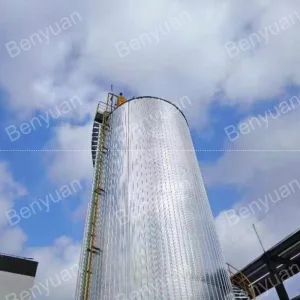
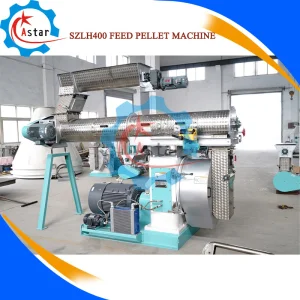
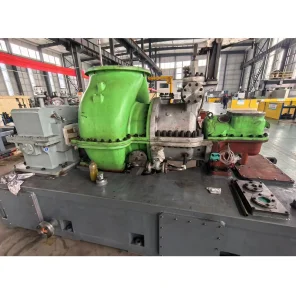
Pre-inspected, high-durability machinery tailored to elevate domestic output and local production efficiency.
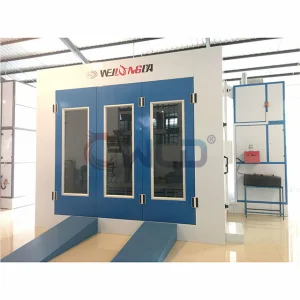
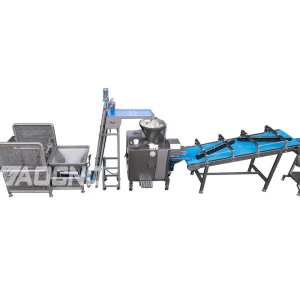
Established in 2008, Qingdao Prizor Excavator Co., Ltd. has achieved rapid and steady growth over the past 16 years, becoming a leading supplier of high-quality used construction machinery and industrial equipment in China. With extensive industry experience and a strong global network, the company specializes in providing reliable, certified, and cost-effective equipment solutions to customers worldwide, including the fast-emerging industrial markets of Southern Africa.
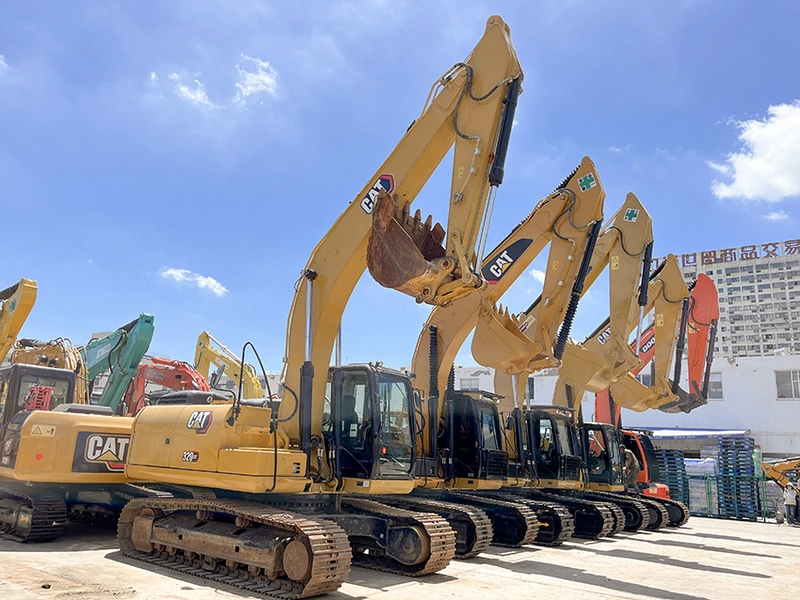
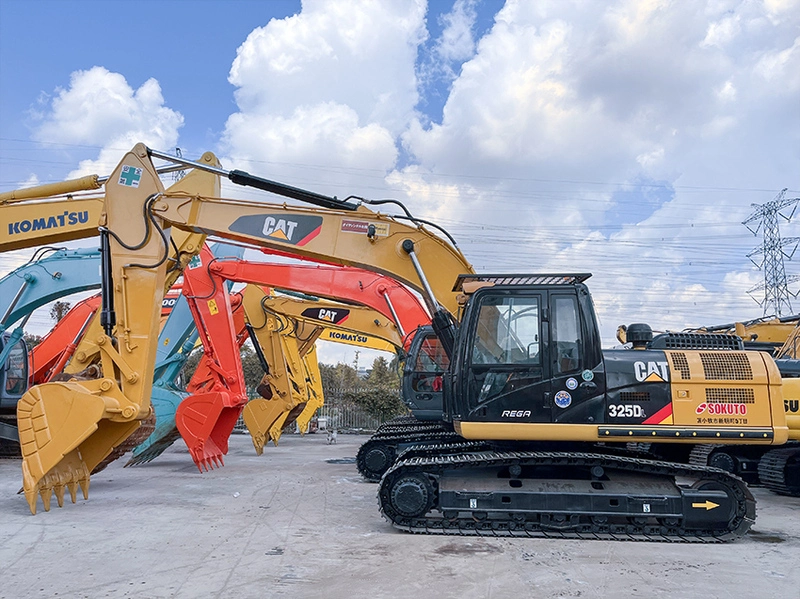
Our core product range includes high-capacity used excavators, wheel loaders, bulldozers, motor graders, backhoes, road rollers, cranes, and forklifts from internationally recognized manufacturers such as CAT, Komatsu, Hitachi, Doosan, Hyundai, Kobelco, SANY, XCMG, Liugong, SDLG, JCB, New Holland, and CASE. Drawing on this 16-year engineering legacy, we export meticulously inspected heavy components and specialized production systems to Lesotho, ensuring every machine undergoes rigorous structural, electrical, and hydraulic verification before dispatch.
Guided by the core principles of integrity, strategic development, mutual cooperation, and win-win configurations, Prizor builds lasting partnerships that empower local operators in Maseru, Maputsoe, Mafeteng, and beyond to deploy robust machinery systems at a fraction of standard CAPEX costs.
Lesotho, an enclave state located in Southern Africa, presents a highly specialized and resilient macroeconomic profile. Traditionally dependent on agricultural pursuits, textile manufacturing, and diamond mining, the nation is actively pivoting toward diversified industrialization to generate sustainable employment and bolster the gross domestic product (GDP). Through trade protocols such as the African Growth and Opportunity Act (AGOA) and the Southern African Customs Union (SACU), local manufacturers in Lesotho have unique access to global consumer hubs, particularly in North America and neighboring South Africa.
To leverage these international trade frameworks, local enterprise must scale up production speeds and conform to high-precision international standards. This requires rapid modernization of factories, which is typically hindered by high capital expenditure (CAPEX). In this economic environment, purchasing high-quality, reconditioned, and certified used industrial equipment emerges as a primary strategic move for local businesses. By acquiring pre-owned industrial assets, manufacturers in Lesotho can bypass the high initial costs associated with new capital machinery, allowing them to optimize working capital and achieve faster returns on investment.
Globally, the market for pre-owned manufacturing and heavy engineering equipment has evolved from secondary trading into a structured, quality-controlled, and highly tech-enabled sector. In the past, companies seeking used industrial equipment faced risks related to machine wear, lack of replacement parts, and poor technical support. Today, advanced diagnostics, remote video inspections, and strict export certifications ensure that used equipment performs reliably, often rivaling new machinery.
Deploying pre-owned assets reduces initial setup costs by 40% to 60%, allowing factories to direct funds toward raw material inventory, workforce training, and regional market expansion.
Buying new custom machinery can involve lead times of 12 to 18 months. Pre-inspected used machinery, however, can be shipped, cleared through ports, and installed in Lesotho within weeks, helping local businesses quickly respond to market demands.
Extending the service life of complex metal assemblies and electronics aligns with global carbon-reduction goals. Repurposing robust steel frames and heavy-duty motors reduces industrial waste and limits resource consumption.
Different regions within Lesotho show distinct industrial profiles. Strategic equipment deployment can help target these regional needs:
Shipping heavy industrial equipment to Lesotho requires a clear understanding of international logistics and regional customs frameworks. Since Lesotho is landlocked, imports arrive through the Port of Durban in South Africa before being transported via rail or road through Free State border crossings (such as Maseru Bridge or Maputsoe Bridge).
Importers must comply with the Lesotho Revenue Authority (LRA) customs processes. Working with a registered clearing agent is critical to ensure proper tariff classification under the Harmonized System (HS) code framework. Importing machinery under the SACU Common External Tariff requires verified documentation, including the original bill of lading, commercial invoices, packing lists, and certified pre-export inspection reports to prevent customs delays.
The value of a used machine increases significantly when integrated with modern control systems. Industry 4.0 retrofits can turn older, durable machinery into smart, cloud-connected production tools.
Adding Programmable Logic Controllers (PLCs), variable-frequency drives (VFDs), and basic IoT sensors to machines like heavy-duty lathes, pipe flarers, or industrial ovens allows operators in Lesotho to monitor performance, optimize energy consumption, and schedule preventive maintenance. This combination of robust physical frames and modern digital controls helps local manufacturers achieve high efficiency and operational reliability without the cost of new equipment.
Explore our wider catalog of used industrial solutions, fully compatible with Lesotho's power grids and operational standards.
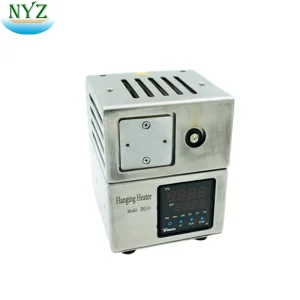
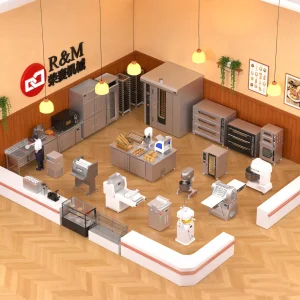
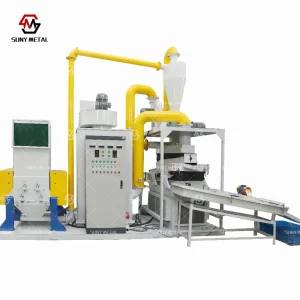
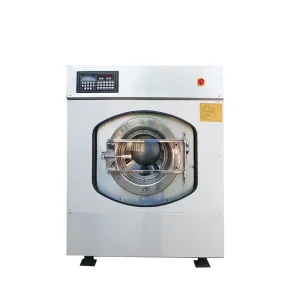
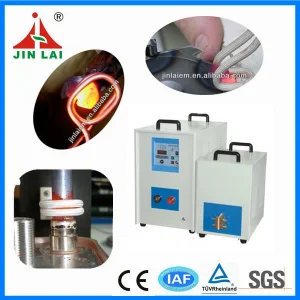
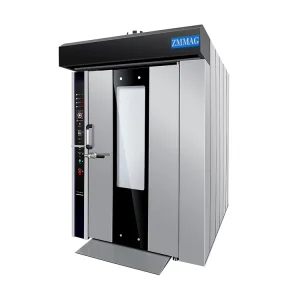
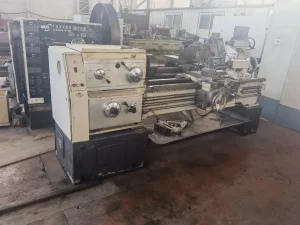
Maintaining full compliance for specialized testing, water treatment, and eco-friendly manufacturing units.
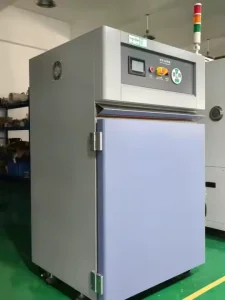
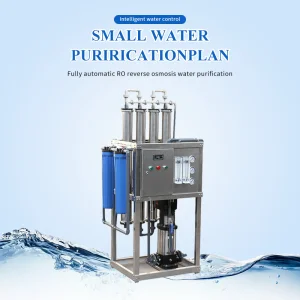
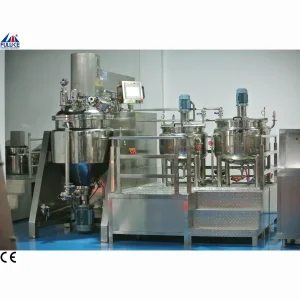
Answers to common questions regarding customs, quality assurance, logistics, and electrical compliance.
We conduct rigorous quality assurance testing at our export facilities. This includes complete hydraulic checks, engine diagnostic scans, power load testing, and mechanical alignments. We offer video inspections, live testing sessions, and welcome third-party inspections (such as SGS or Bureau Veritas) to verify performance before dispatch.
Machinery is shipped via ocean freight to the Port of Durban, South Africa. From Durban, the cargo is moved by rail or heavy-duty flatbed trucks through the Free State province, clearing customs at major border entries like Maseru Bridge or Maputsoe. We handle transit clearance through South Africa to ensure a smooth delivery to Lesotho.
Yes. Lesotho operates on a 220V/380V AC, 50Hz electrical system. During the pre-shipment phase, our engineering team inspects and retrofits machine motors, control panels, and PLC circuits to match these standards, ensuring immediate compatibility upon installation.
Under SACU guidelines, capital equipment and productive machinery often qualify for import tariff rebates or exemptions to support local industrial growth. However, Lesotho's standard Value Added Tax (VAT) may still apply at the border. We assist your clearing agents with accurate HS codes to help minimize importing costs.
We provide a spare parts kit with major equipment shipments. Additionally, through our global logistics network, we can rapidly dispatch replacement components to Lesotho via air courier. We also offer remote diagnostic support to assist your local maintenance teams.
Get in touch with our team of technical sales engineers. We provide custom machinery configurations, export documentation assistance, and end-to-end logistics support to Lesotho.
Send Inquiry Now Prizor Excavator