Basic Info
Type
Sludge Dewatering Machine
Method
Biological Treatment
Usage
Industrial, Hospital
Product Description
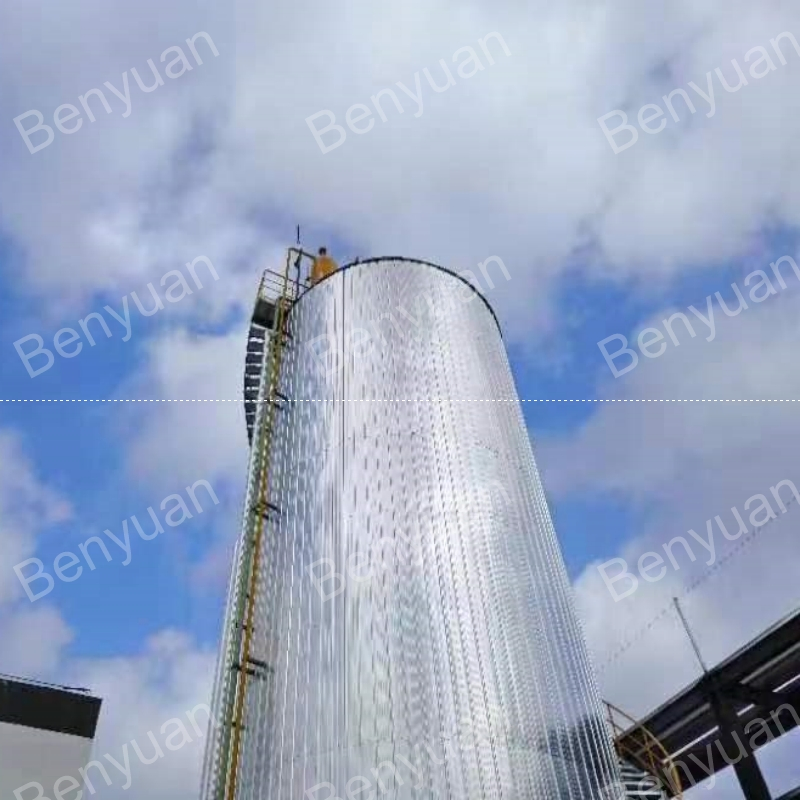
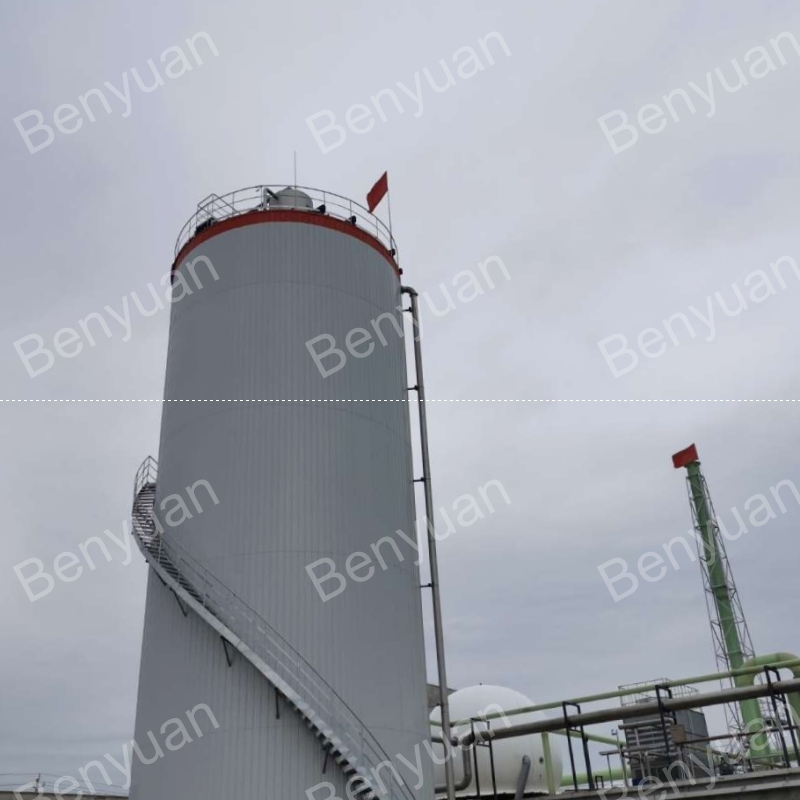
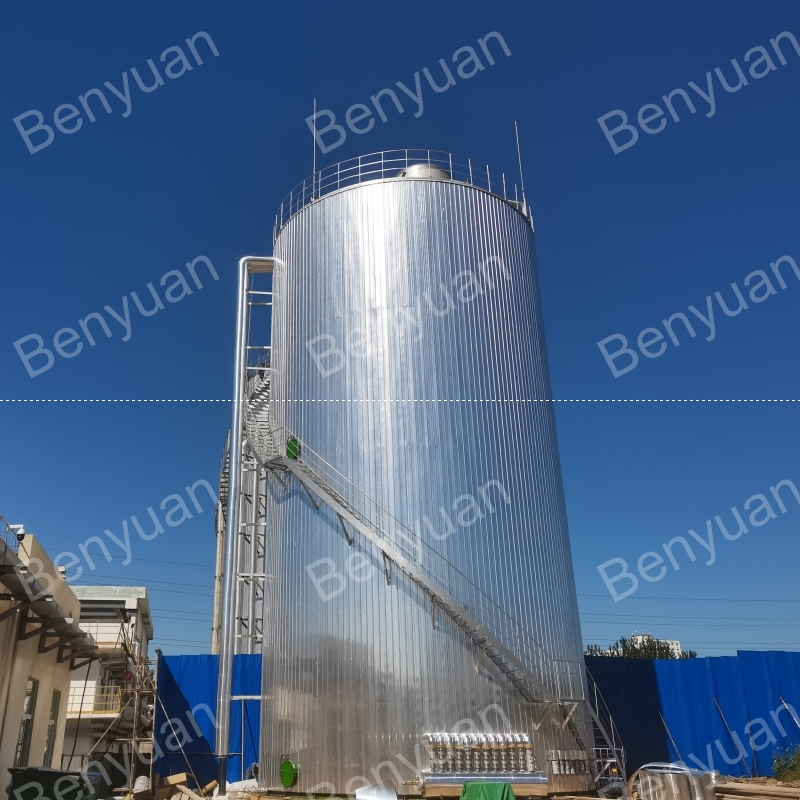
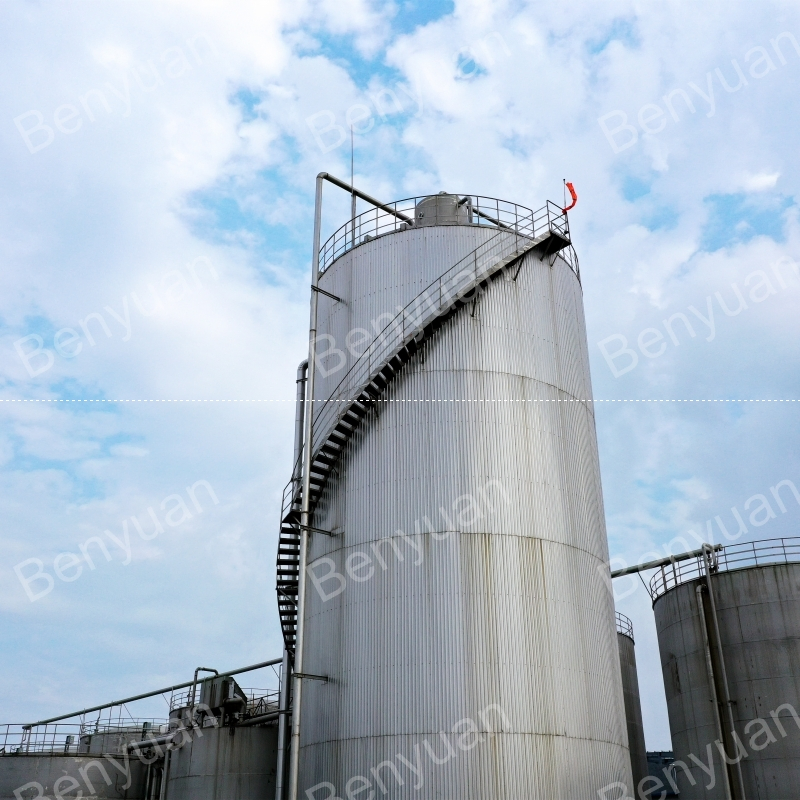
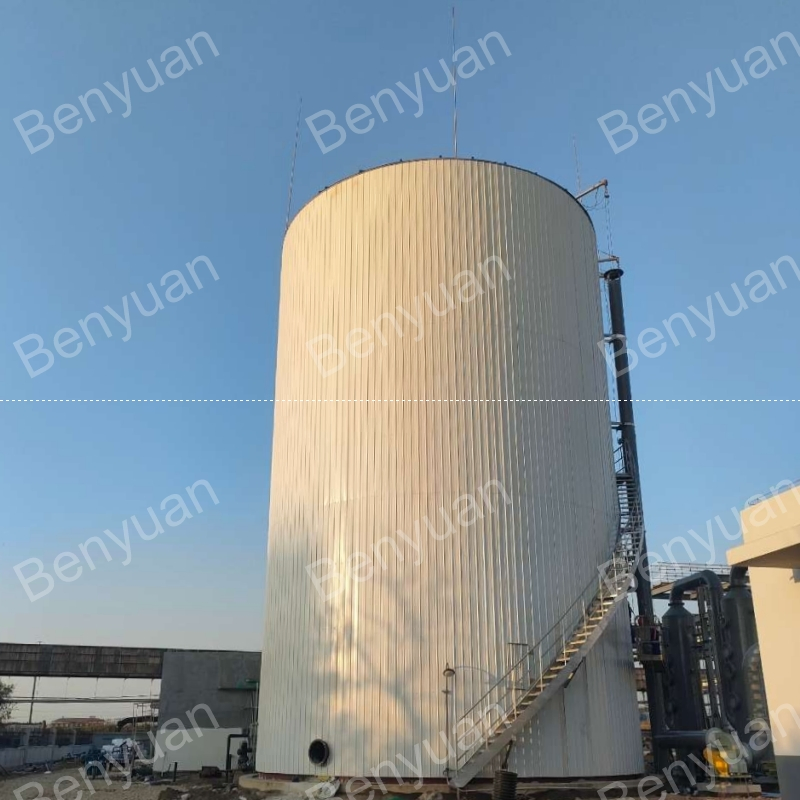
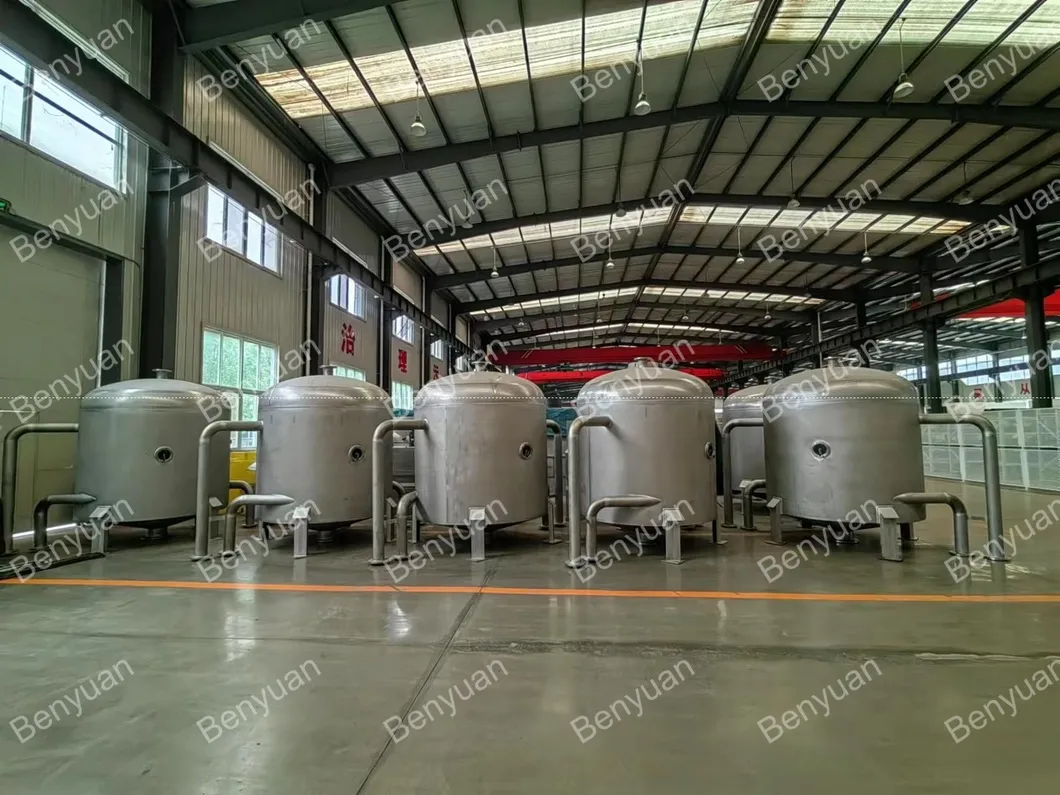
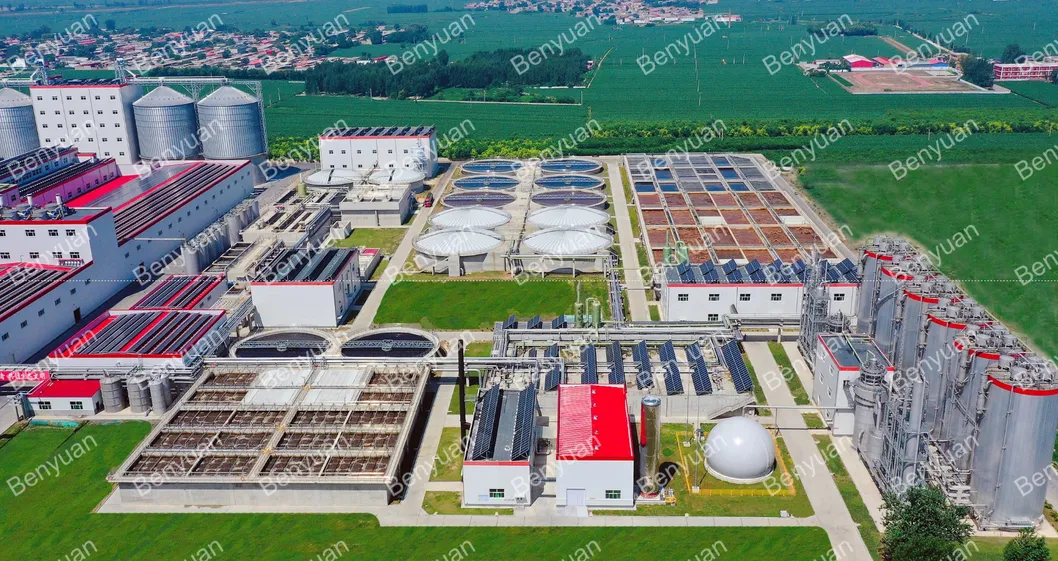
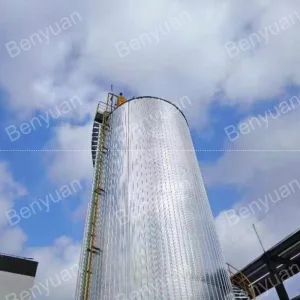
The AE anaerobic reactor consists of four basic parts: the mixing reaction zone, the three-phase separation zone, and the effluent zone. There is a large amount of sludge with good sedimentation and coagulation properties in the reaction zone. The microorganisms in the sludge decompose the organic matter in the sewage and convert it into biogas, achieving the goal of removing COD. The three-phase separation zone efficiently separates solid-liquid gas mixtures, intercepts sludge, fully collects biogas, and the effluent separated from sludge overflows from the upper part of the overflow weir and is discharged from the reactor.
| Product Technical Parameters |
| Model |
Daily processing capacity (m³/d) |
Equipment diameter (m) |
Equipment height (m) |
| AE-600 | 250-350 | 7 | 16.5 |
| AE-800 | 320-480 | 8 | 16.5 |
| AE-1000 | 400-600 | 8.5 | 18 |
| AE-1200 | 500-750 | 9.5 | 18 |
| AE-1500 | 600-900 | 10 | 19.5 |
| AE-2000 | 800-1200 | 11 | 21 |
| AE-2500 | 1000-1500 | 12.5 | 21 |
| AE-3000 | 1200-1800 | 13 | 22.5 |
| AE-3500 | 1500-2200 | 14 | 24 |
| AE-4000 | 1600-2400 | 14.5 | 24 |
| AE-4500 | 1800-2700 | 15.5 | 24 |
| AE-5000 | 2000-3000 | 16.5 | 24 |
| AE-5500 | 2200-3200 | 17 | 24 |
Technical Advantages
High volumetric load design: The AE anaerobic reactor has a large height-to-diameter ratio, ensuring excellent gas-water mixing and uniform water distribution. Its three-phase separator exhibits a sludge interception rate that is 3-5 times higher than that of traditional UASB anaerobic reactors, with a biogas collection rate of 100%. Additionally, the volumetric load capacity is 2-3 times that of traditional UASB reactors.
Wide industry adaptability: It has a wider range of requirements for influent water quality than IC anaerobic reactors, and is suitable for the treatment of organic wastewater pollution with relatively low biochemical nature, high salinity, and high suspended solids.
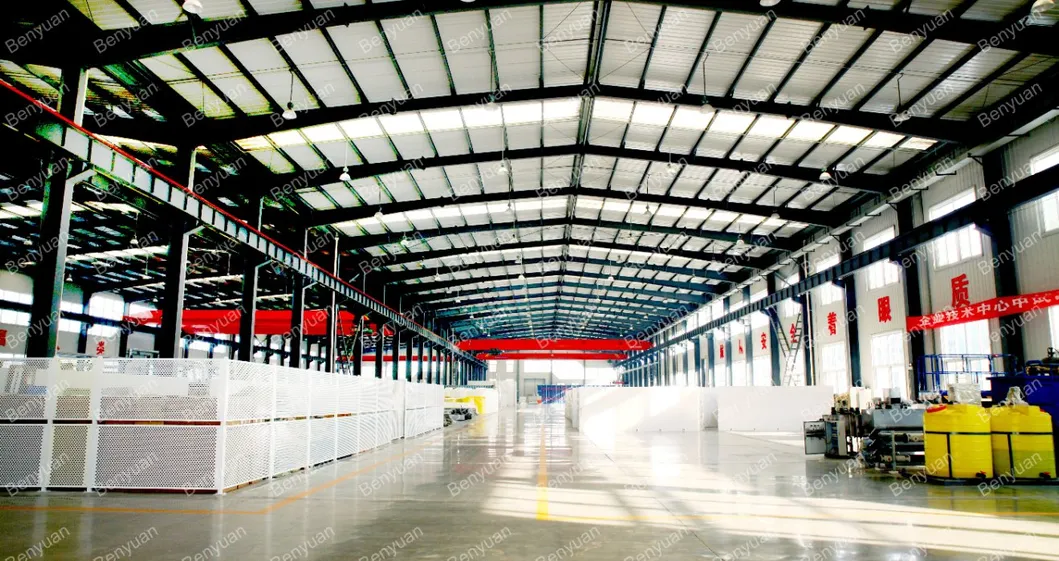
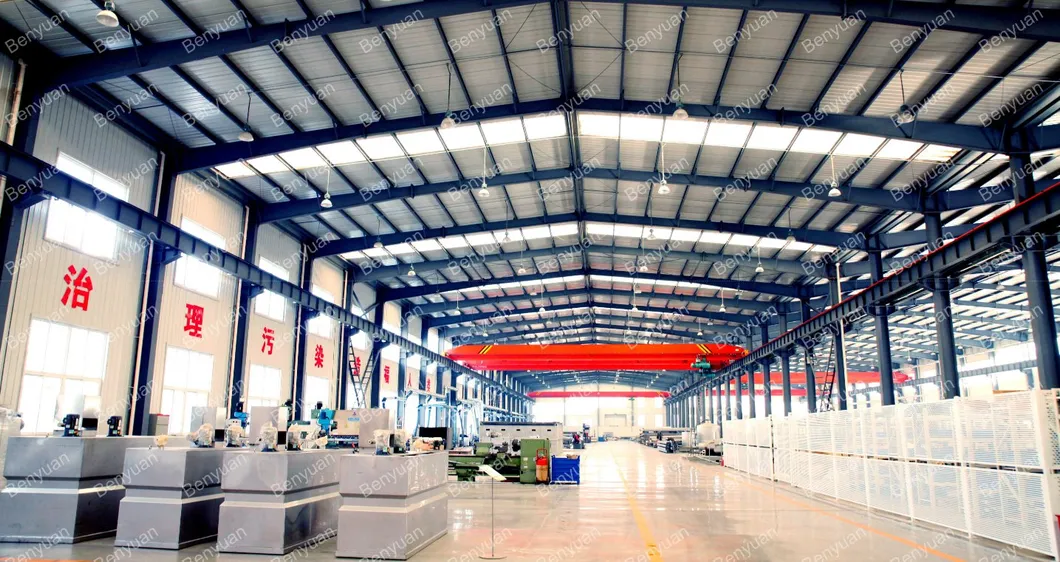
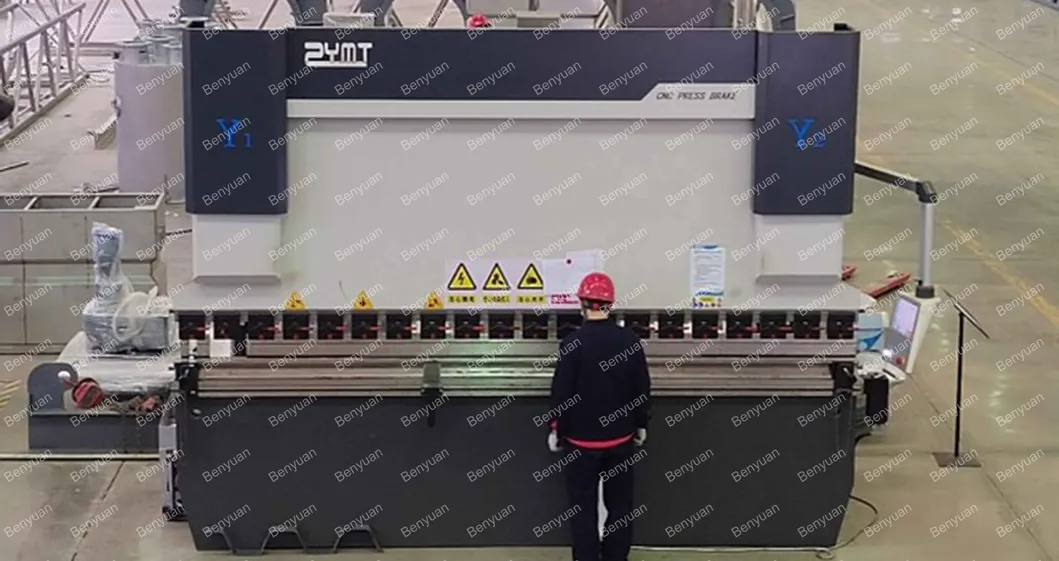
Highly modular assembly: Anaerobic reactors achieve assembly and prefabrication. The core technical products adopt a modular structure, which is assembled on-site without welding, resulting in a shorter construction period and a safer process.
Application Industry
The AE anaerobic reactor has been successfully applied in over ten industries, including starch and starch derivatives, soy protein isolate, alcohol and brewing, dairy products, food processing, pharmaceutical, fine chemicals, new materials, petrochemical industry, livestock and poultry breeding and slaughtering, amino acid, citric acid, xanthan gum, enzyme preparation, etc.
About Our Expertise
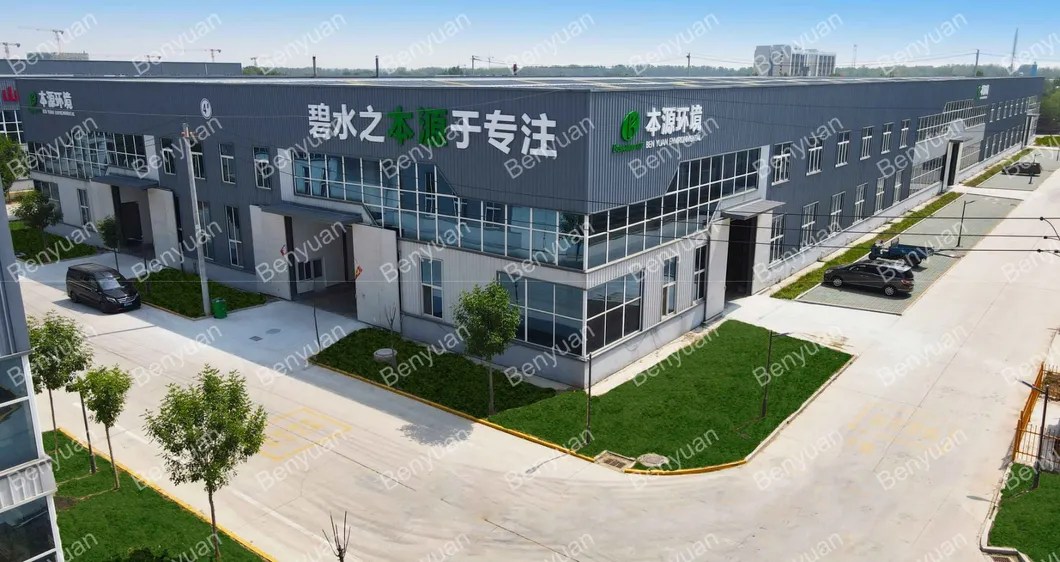
With more than 20 years of experience in the field of industrial wastewater, our business scope covers more than 10 industries including pharmacy, starch, and fine chemicals. We serve clients across China and overseas regions such as Russia, Turkey, Indonesia, Myanmar, India, etc., processing over 2 million cubic meters of wastewater daily and significantly reducing carbon emissions.
Frequently Asked Questions
1. What are the main components of the AE anaerobic reactor?
The AE anaerobic reactor consists of four basic parts: the mixing reaction zone, the three-phase separation zone, and the effluent zone.
2. How does the AE reactor compare to traditional UASB reactors?
The AE reactor features a sludge interception rate 3-5 times higher and a volumetric load capacity 2-3 times greater than traditional UASB reactors, with a 100% biogas collection rate.
3. What types of wastewater can this equipment treat?
It is suitable for organic wastewater with low biochemical nature, high salinity, and high suspended solids, making it ideal for various industrial applications.
4. What is modular assembly and why is it beneficial?
The equipment uses a prefabricated modular structure assembled on-site without welding, which results in a shorter and safer construction period.
5. Which industries commonly use the AE anaerobic reactor?
Common industries include food processing, starch derivatives, pharmaceutical, alcohol brewing, and petrochemical industries, among others.
6. Does the system help in carbon emission reduction?
Yes, by converting organic matter into biogas and processing large volumes of wastewater efficiently, the technology helps significantly reduce carbon emissions.