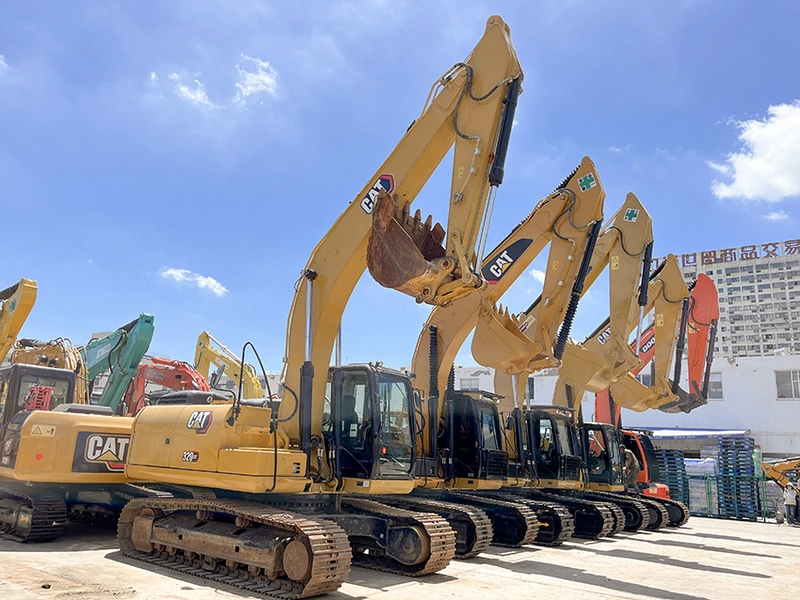
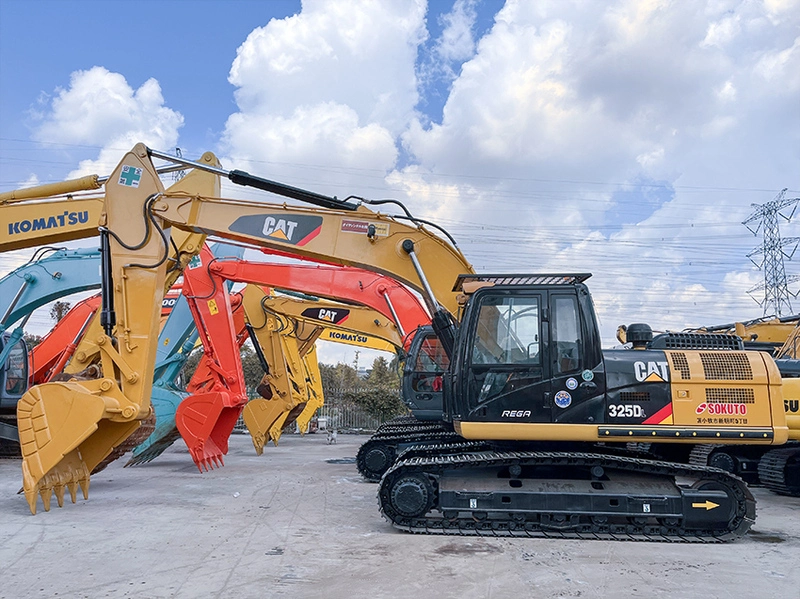
Pre-inspected agricultural and structural handling equipment optimized for the rugged terrains and extreme environments of Central Africa.
The Democratic Republic of the Congo (DRC) is poised on the edge of a major economic shift. As the world's primary producer of cobalt and the leading copper producer in Africa, the mining hubs of Katanga, Kolwezi, and Lualaba require high-performance earthmoving and materials handling equipment. Concurrently, the DRC government is rolling out strategic initiatives like the National Agricultural Investment Plan (PNIA), aimed at unlocking the farming potential of the Congo Basin's 80 million hectares of arable land. However, this potential remains largely untapped due to a lack of mechanical infrastructure.
For operations in these sectors, importing brand-new machinery often presents financial challenges due to high capital requirements and depreciation. This makes importing high-quality, pre-owned machinery a practical alternative. As a trusted exporter with 16 years of experience since our founding in 2008, Qingdao Prizor Excavator Co., Ltd. serves as a reliable link between global equipment supplies and the expanding markets of Central Africa.
"With a massive infrastructural gap and extensive arable land, the DR Congo market demands heavy-duty used construction and agricultural machinery that offers robust performance in tropical climates, backed by reliable parts support."
The logistics of the DRC present distinct challenges. Equipment headed for eastern provinces like North Kivu or Lualaba must be routed through East African transit hubs like the ports of Dar es Salaam (Tanzania) or Mombasa (Kenya). Machinery bound for Kinshasa and western provinces enters via the Atlantic port of Matadi. Navigating these routes requires an exporter with deep knowledge of international customs, regional transport regulations, and the protective prep work needed to ship machinery across oceans and overland routes.
Tropical climates, unpaved terrain, and remote project sites mean machinery in the DRC must meet high standards for reliability. The industry is currently moving away from overly digitized, complex machinery toward models with mechanical fuel injection and robust hydraulic systems. These features allow for simpler troubleshooting and maintenance when operating far from metropolitan repair centers.
Key application areas include:
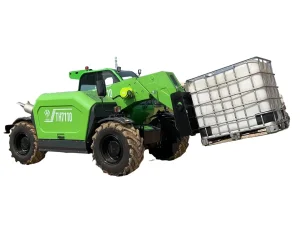
Preparing soil for large-scale cassava, maize, and oil palm farming requires telehandlers, wheel loaders, and specialized mixing equipment for fertilizer blending and livestock feed preparation.
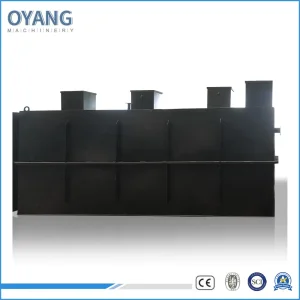
Heavy excavators and multi-functional telehandlers are essential for handling raw ore, moving earth, and constructing tailings facilities, slurry containment structures, and wastewater processing setups.
Connecting farming communities with urban markets requires dependable construction gear, like used graders, backhoes, and road rollers, to maintain and clear unpaved roads.
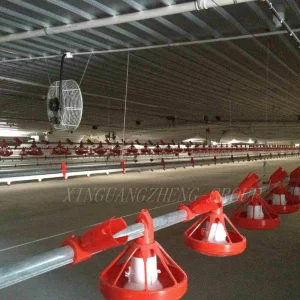
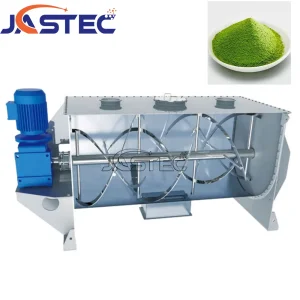
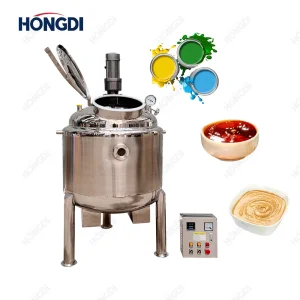
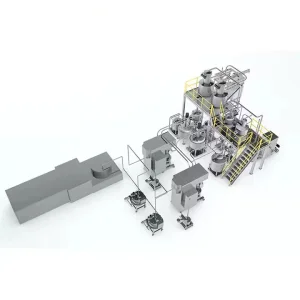
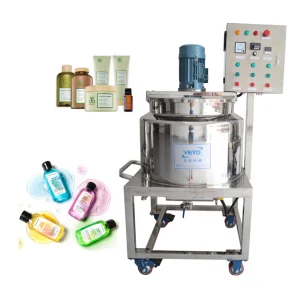
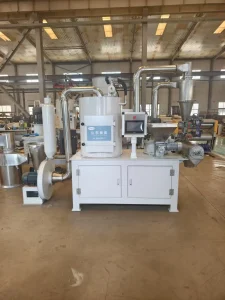
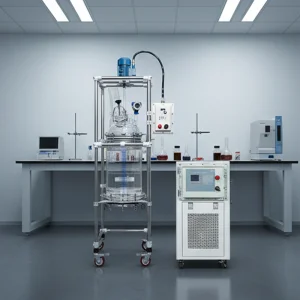
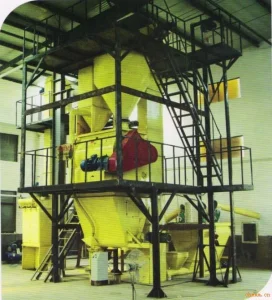
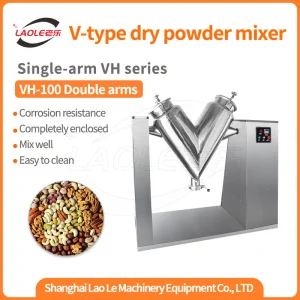
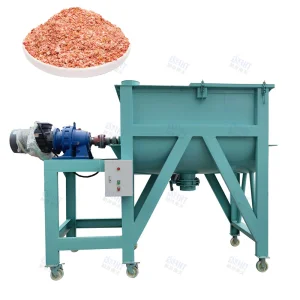
Heavy-duty mixing, blending, and processing machinery engineered to support food security and mineral processing initiatives throughout the DRC.
The global trade in pre-owned machinery is undergoing changes driven by modern industrial practices. At our staging facilities in Qingdao, China, we apply Factory 4.0 supply chain principles to the sourcing, refurbishment, and delivery of used construction and agricultural equipment. This systematic approach helps ensure reliability and performance for the machinery we ship.
Our operational framework is built on three main pillars:
Every machine undergoes a detailed evaluation, including ultrasonic testing of chassis welds, hydraulic pressure cycle checks, and engine load tests. Only units meeting our operational standards are prepared for export.
We rebuild and test key components—such as hydraulic pumps, control valves, and planetary final drives—using OEM replacement parts from top brands like Caterpillar, Komatsu, and Hitachi.
Before maritime transit, all exposed metal surfaces, cylinder rods, and electrical connections are treated with marine-grade rust preventatives and protective wraps to guard against saltwater corrosion.
Buying machinery internationally requires confidence in the supplier. Qingdao Prizor Excavator Co., Ltd. builds client relationships on clear processes, documented machinery conditions, and verified quality control. We provide comprehensive documentation for every transaction to help clients make informed decisions.
Our commitment to professional service is reflected in our export processes:
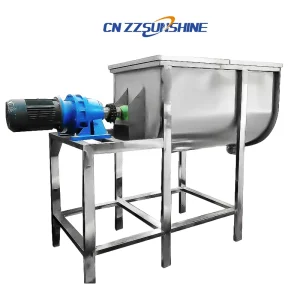
A comprehensive range of high-durability mixers, bioreactors, and automated production gear designed for dependable performance in remote municipal and industrial settings.
Purchasing heavy machinery from international suppliers involves complex logistics, particularly for shipments destined for the DRC. Developing a reliable sourcing strategy requires addressing key steps in the procurement process:
Evaluating pre-owned equipment requires looking beyond the initial purchase price. A complete cost assessment includes ocean freight, regional overland transport, import customs duties, local taxes, insurance, and the cost of establishing a localized spare parts inventory. Sourcing from experienced exporters helps clarify these variables early in the process.
The geography of the DRC necessitates a two-pronged logistics approach:
Importing to the DRC requires adhering to national standards, including pre-shipment inspections (often managed by agencies like Bureau Veritas or OCC). Ensuring all technical and customs documentation is in order before departure helps prevent costly delays at ports of entry.
Essential technical and logistical answers for businesses importing used agricultural and construction machinery to the Democratic Republic of the Congo.
We perform a comprehensive 120-point inspection covering the structural integrity of the chassis, engine load capacity, hydraulic cycle speeds, and electrical systems. Any worn components are replaced with OEM parts, and we provide detailed inspection reports and live video testing sessions to the buyer before shipment.
For the mineral-rich eastern provinces (Katanga, Lualaba), we typically ship via the Indian Ocean to the Port of Dar es Salaam in Tanzania or the Port of Durban in South Africa. From there, the machinery is transported by specialized heavy-haul trucks through established transit corridors directly to the job site.
Yes, the DRC requires an import verification program. Typically, shipments must be inspected and certified by an authorized agency (like the Office Congolais de Contrôle - OCC) before loading at the port of origin. We coordinate these inspections to help ensure compliance and smooth customs clearance upon arrival.
All heavy equipment undergoes our standard anti-corrosion preparation. Exposed hydraulic cylinders are treated with protective wax coatings, open ports are sealed, and the exterior of the machine receives a protective barrier coat to shield sensitive components from saltwater and humidity during transit.
Yes. Our supply network and inventory in China allow us to source and refurbish models from leading global brands, including CAT, Komatsu, Hitachi, Kobelco, SANY, and XCMG, matched to your project's technical specifications.
We offer supply packages that include key maintenance items—like filters, seals, and wear parts—shipped alongside the machinery. We can also source and export critical spare parts to support your fleet's long-term operation.
Get in touch with our logistics and technical sourcing experts for a comprehensive quote and customized machinery solutions.
 Prizor Excavator