Buying used equipment is not simply a price decision. It is a verification exercise. The machine may look clean, yet its history could remain unclear.
Industry reports support this caution. EquipmentWatch’s Used Equipment Market Report emphasizes condition, age, usage, and maintenance history when estimating equipment value. Ritchie Bros.’ Market Trends reports also show how auction pricing changes with demand, machine type, and regional supply. These findings make documentation practical, not merely administrative.
So, what documents are needed when purchasing used equipment? Buyers should examine the original invoice, ownership record, serial-number confirmation, maintenance logs, inspection report, warranty details, finance-release evidence, and applicable safety certificates. A complete file helps compare the machine’s claimed hours with service entries and meter photographs. It also exposes gaps. Sometimes, the missing page matters most.
“Documentation turns an equipment purchase from a promise into something verifiable,” says Greg Owens, an industry executive associated with IronPlanet’s used-equipment marketplace. That principle is useful, although no document should replace a physical inspection by a qualified technician.
A practical example is a used excavator showing 4,800 hours. Its service log should support that number, with dated oil changes, hydraulic repairs, and component replacements. If the records stop suddenly, the buyer should pause. Perhaps the explanation is harmless. Perhaps not.
Reliable paperwork cannot remove every risk. It can reduce uncertainty, improve negotiation, and support responsible ownership. Buyers should also confirm local transfer requirements and retain copies of every signed document. The process feels slower. That is often the point.
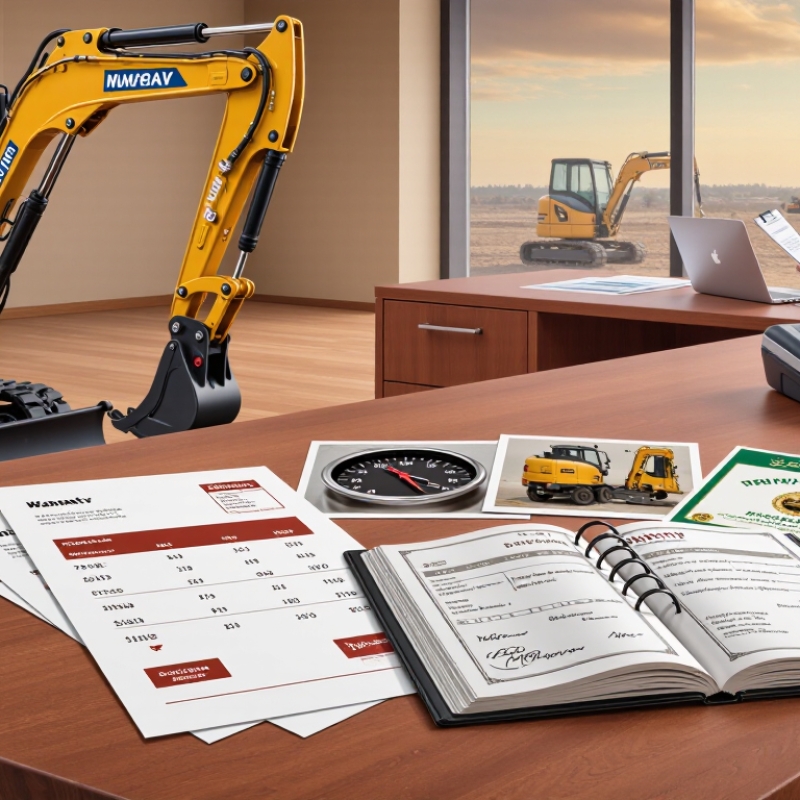
When buying used equipment, documents can reveal more than a polished machine. A clear bill of sale should identify the buyer, seller, equipment description, price, and transaction date. It should also include the serial number. Compare that number with the plate on the equipment. Small mismatches can create serious ownership questions later.
Request proof of ownership and any available purchase records. These documents help confirm that the seller has the right to transfer the equipment. Maintenance logs are equally valuable. Look for service dates, replaced parts, operating hours, and inspection notes. A machine with clean records is easier to evaluate. Still, records can be incomplete. Keep that limitation in mind.
Ask for manuals, safety instructions, inspection reports, and written warranty terms, if available. If the equipment was repaired, request related invoices and technician notes. Photographs of hidden damage can support the written record. I recommend recording the equipment’s condition during pickup, including dents, leaks, worn controls, and missing accessories. Keep copies. Digital files are useful, but signed paper documents should not be ignored. Before payment, review local registration, tax, transport, and transfer requirements with a qualified professional. That extra check may feel unnecessary, yet it can prevent delays and unexpected costs.
| Document or Record | What It Verifies | Important Details to Check | When It Is Usually Needed | Priority |
|---|---|---|---|---|
| Purchase Agreement or Bill of Sale | Confirms the transaction, agreed price, equipment description, and the identities of the buyer and seller. | Serial number, model, condition, included accessories, payment terms, delivery responsibility, warranties, and signatures. | For every purchase, especially when ownership or payment disputes could arise. | Essential |
| Proof of Ownership | Shows that the seller has the legal right to sell the equipment. | Seller’s name should match the ownership record, and the document should not show an unresolved lien, lease, or third-party claim. | Before payment is made and whenever the equipment has previously been financed or leased. | Essential |
| Serial Number and Identification Record | Links the physical equipment to its records and helps prevent the purchase of misidentified or stolen property. | Verify the serial number, model, manufacturing year, identification plate, and markings against all documents. | For all equipment with a serial number or other permanent identification mark. | Essential |
| Maintenance and Service Records | Provides evidence of routine servicing, repairs, component replacements, and operating history. | Service dates, operating hours, replaced parts, unresolved defects, inspection findings, and authorized technician notes. | Before purchase when reliability, operating cost, or future maintenance planning is important. | Essential |
| Inspection or Condition Report | Describes the equipment’s actual condition at or near the time of sale. | Functional tests, safety checks, visible damage, leaks, excessive wear, missing guards, and recommended repairs. | For expensive, complex, safety-critical, or difficult-to-test equipment. | Strongly Recommended |
| Safety and Compliance Certificates | Shows whether the equipment has passed applicable safety inspections or required conformity checks. | Certificate date, inspection scope, equipment identification, expiration date, failed items, and corrective actions. | When local law, workplace rules, or the equipment’s operating environment requires certification. | Essential When Applicable |
| Operator Manuals and Technical Documentation | Explains safe operation, maintenance procedures, specifications, and limitations. | Correct model and revision, operating instructions, service intervals, safety warnings, wiring diagrams, and parts information. | Before the equipment is installed, operated, maintained, or transferred to new personnel. | Important |
| Warranty or Extended Coverage Documents | Defines whether any repair coverage remains after the equipment changes hands. | Transferability, coverage period, exclusions, claim procedure, maintenance requirements, and remaining coverage. | When the seller states that a manufacturer, dealer, or third-party warranty is still active. | If Applicable |
| Repair, Modification, and Upgrade Records | Reveals changes that may affect performance, safety, compatibility, or legal compliance. | Modification date, parts used, engineering approval, software changes, structural alterations, and inspection results. | When the equipment has been rebuilt, modified, upgraded, or adapted for a different use. | Important |
| Calibration Certificates | Confirms the accuracy of measuring, testing, or control instruments. | Calibration date, reference standards, measurement results, tolerances, certificate number, and next due date. | For laboratory, inspection, production, medical, or other equipment that affects measurement accuracy. | If Applicable |
| Import, Export, and Customs Records | Shows that the equipment entered the country legally and that applicable duties or restrictions were addressed. | Customs declaration, import permit, country of origin, classification, duty payment, and restricted-use requirements. | When equipment has been imported, exported, or moved across regulated borders. | If Applicable |
| Environmental and Hazardous-Material Records | Identifies hazardous substances, contamination risks, regulated materials, or required disposal procedures. | Material safety information, refrigerant or fuel records, contamination history, decontamination certificate, and disposal requirements. | For equipment that stores, processes, transports, or may have contacted hazardous materials. | If Applicable |
| Delivery, Installation, and Acceptance Record | Documents when the equipment was delivered, installed, tested, and accepted by the buyer. | Delivery condition, installation date, test results, training provided, outstanding defects, and acceptance signatures. | For equipment requiring professional installation, commissioning, or site-specific testing. | Recommended |
| Payment and Tax Records | Provides proof of payment and supports accounting, tax reporting, and asset registration. | Invoice or receipt, payment date, purchase price, applicable taxes, shipping charges, and payment method. | For every purchase and particularly for business assets or financed transactions. | Essential |
Practical check: Match the physical equipment, serial number, seller identity, and condition against every document before signing the final purchase agreement or releasing full payment.
They show service dates, operating hours, replaced parts, fluid changes, and recurring faults. A clean log helps. It is not proof of perfect condition.
Repeated hydraulic-line repairs may indicate heavy workloads, poor operation, or an unresolved root cause. Look for patterns, not isolated entries.
Missing pages do not automatically end a purchase. Ask for invoices, technician notes, photographs, and written explanations. Unexplained gaps should lower confidence.
A cold engine can reveal difficult starting, smoke, or abnormal noise. A warm engine may hide these problems. Check it cold.
No. Records are evidence, not a guarantee. An independent technician should inspect brakes, structure, electrical systems, and leaks. Paperwork cannot detect every fault.
The serial number should match the invoice, data plate, inspection record, and service documents. A mismatch may reflect a replaced component or recording error. Either way, request an explanation.
Compare the engine model, rated capacity, attachment class, voltage, dimensions, operating weight, and production history. Operating hours should also match the meter. Small differences matter.
Photograph the serial plate, stamped markings, and major assemblies. Compare them with archived service records and inspection reports. One missing digit can delay verification and reduce resale confidence.
No. They can support checks for hours and location-related records. Meters may fail, and digital records may be incomplete. I have trusted paperwork too quickly before. That judgment was imperfect.
Match documented care with physical condition, operating history, and future repair costs. A tidy folder and fresh paint may look reassuring. Look closer.
When asking what documents are needed when purchasing used equipment, buyers should request paperwork that clearly establishes the machine’s history, ownership, condition, and identity. Important records may include the original purchase invoice, ownership or transfer documents, service and maintenance logs, inspection reports, manuals, and specifications. These materials help confirm that the seller has the right to transfer the equipment and that the machine is accurately described. They can also reveal previous repairs, replacement parts, recurring problems, operating hours, and the level of care the equipment has received.
Serial numbers, model information, and technical specifications should match across the equipment and its documents. This comparison helps prevent confusion between similar machines and confirms that the buyer is receiving the intended item. After the sale, a written purchase agreement, payment record, warranty terms, and delivery confirmation can provide valuable protection if questions arise about the equipment’s condition, ownership, or agreed features. Reviewing every document carefully before payment supports a more transparent and confident purchase decision.

 Prizor Excavator