When considering the purchase of used construction machinery, buyers often wonder, "what are the risks of buying used construction machinery?" This question is crucial, as these risks can significantly impact project timelines and costs. Used equipment may come with hidden problems that could lead to unexpected repairs and downtimes. Buyers must be vigilant in assessing the machinery's condition and history.
Inexperienced buyers might overlook vital inspection processes. Many used machines appear to be in good shape at first glance. However, deeper analysis is essential. Factors such as previous usage, maintenance records, and potential wear can reveal underlying issues. Ignoring these factors can result in significant financial losses.
Furthermore, not all sellers provide accurate information. Some may downplay or hide mechanical flaws, making it even harder for buyers to make informed decisions. Understanding these risks is vital, as they can create challenges that affect overall project success. Therefore, a thorough investigation is imperative to navigate the complexities of purchasing used construction machinery.
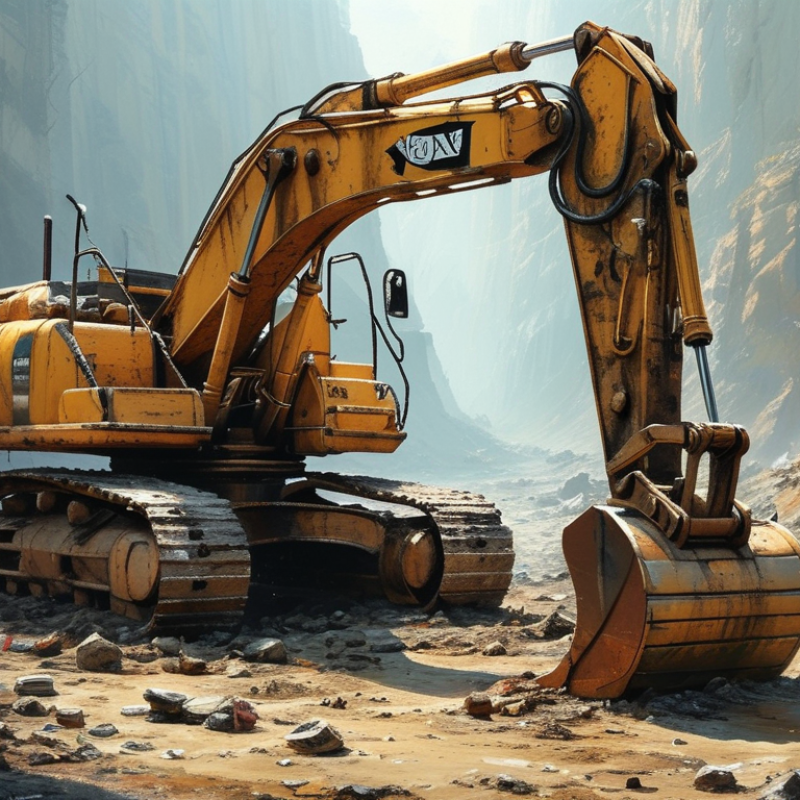
When purchasing used construction machinery, several crucial factors come into play. These factors can significantly impact both performance and financial outcomes. According to a recent industry report, nearly 30% of used machinery buyers face unexpected repair costs within the first six months. This statistic highlights the need for thorough inspection prior to purchase.
Condition is key. Always inspect machinery for wear and tear. Look for signs of rust, leaks, and other damages. A robust inspection checklist should include looking at hydraulic systems, engine performance, and tracking hours of operation. Machinery that has been well-maintained can last longer and save you money.
Another significant factor is the equipment’s history. Understand past usage, maintenance records, and ownership changes. Many buyers overlook this data, but it can reveal hidden issues. A machine with a heavy workload may have unseen stress. Reports from machinery specialists indicate that knowing a unit's usage history can prevent costly mistakes. Investing time in research can save money down the road.
When purchasing used construction machinery, buyers face significant risks. Common mechanical issues often plague used equipment. According to a report from the Association of Equipment Manufacturers, around 30% of used machinery fail inspection due to critical mechanical faults. These failures can lead to costly repairs or project delays.
Hydraulic problems are particularly frequent in used construction equipment. The same report indicates that over 40% of used machinery inspected had hydraulic system issues. This can manifest as leaks, poor lifting capacity, or unresponsive controls. Such problems not only reduce performance but also impact safety on job sites.
Another common issue relates to wear and tear on engine components. Many buyers underestimate engine maintenance needs. Data shows that nearly 25% of used machines have undisclosed engine wear. This situation can result in unexpected shutdowns or decreased fuel efficiency. Ensuring a thorough mechanical inspection is critical, yet many buyers rely solely on seller assurances, often leading to regrettable purchases. It is essential to prioritize detailed checks to avoid these pitfalls.
When purchasing used construction machinery, evaluating the maintenance history is crucial. A study by the Association of Equipment Manufacturers suggests that over 70% of machinery failures stem from inadequate maintenance. Documentation of past servicing should be thoroughly reviewed. Regular oil changes, filter replacements, and inspections indicate diligent upkeep by previous owners. Machines with incomplete records can pose significant risks, leading to unexpected breakdowns and costly repairs.
Buying machinery without a clear maintenance history can be a gamble. Many buyers overlook the importance of maintenance logs. These logs reveal how often the machinery was serviced and whether any major repairs were made. A lack of detailed records often suggests neglect, which could hinder the machine’s performance. According to the Machinery Institute, a history of repairs can affect resale value by as much as 30%.
It's essential to consider the complexity of machinery. Modern equipment often includes sophisticated systems that are sensitive to neglect. Buyers must weigh the benefits of a seemingly low-price option against the potential for hidden issues. Ensuring that you receive a comprehensive maintenance history may save you from future headaches and financial losses. Always prioritize detailed records when assessing used machinery.
This chart represents the top 10 risks associated with buying used construction machinery, evaluating various factors like mechanical issues, maintenance history, and the potential for hidden costs. Each risk level is rated on a scale from 1 to 10, providing a visual understanding of the challenges buyers may face.
When considering used construction machinery, certification and inspection reports are crucial. These documents provide information about the machine's history. An inspection report shows the condition of the machinery. It highlights any past repairs or parts replacements. Buyers should look closely at these reports. They often reveal issues that may not be visible at first glance. Neglecting this step can lead to costly surprises.
Certification ensures that the machinery meets safety and performance standards. It offers peace of mind to buyers who may have doubts about the equipment's reliability. Without proper certification, there's a risk of purchasing a machine that could cause accidents or project delays. The importance of these documents is often overlooked. This can stem from a lack of awareness or urgency. However, taking shortcuts in this process can leave buyers with regrets.
Inexperienced buyers may find it challenging to assess these reports. They might not know what to look for or understand the terminology used. It’s essential to seek expert assistance if needed. Fortunately, many professionals can help decipher these documents. Investing time in this due diligence can save money and enhance project success. Being thorough about certification and inspection is not just smart; it's necessary for secure investment.
When considering used construction machinery, understanding resale value and depreciation is crucial. Heavy equipment often depreciates quickly due to wear and tear. Factors like age and usage can lead to significant decreases in value. For instance, a machine with high hours may sell for much less than expected.
Market conditions also affect resale value. Economic fluctuations can change demand for used machinery. A downturn might leave you with equipment that's hard to sell. Seasonal changes in construction activity can impact this as well. It's essential to analyze the market before making a purchase.
Before buying, inspect machines thoroughly. Look for wear signs and check maintenance records. These details can provide insight into how well the machine has been cared for. A neglected machine may face rapidly declining value. Assessing these factors can help you make a more informed decision. Ensure you factor in these risks when budgeting for your project.
: Common issues include hydraulic problems, engine wear, and poor maintenance histories, leading to costly repairs.
Over 40% of used machinery inspected report hydraulic system problems like leaks and poor controls.
A good maintenance history can prevent unexpected breakdowns and costly repairs, affecting overall machine performance.
Look for regular servicing records, oil changes, and any significant repairs made to the machinery over time.
Incomplete records may suggest neglect, leading to a higher risk of failure and decreased resale value by up to 30%.
Inspection reports reveal the machine's true condition and highlight past repairs, which may not be immediately visible.
Certification indicates that the machinery meets safety and performance standards, assuring reliability in operations.
Inexperienced buyers may struggle to understand the reports, making it essential to seek expert assistance.
Thorough inspections can uncover hidden issues, saving money and ensuring a more reliable investment overall.
Neglecting these documents can result in purchasing unsafe machinery, leading to accidents and project delays.
When considering what are the risks of buying used construction machinery, several critical factors come into play. Potential buyers must evaluate common mechanical issues that can arise with used equipment, as well as thoroughly assess the maintenance history to ensure reliability. Certification and inspection reports play a vital role in understanding the machinery's condition, helping to mitigate risks associated with unforeseen failures.
Additionally, prospective buyers should evaluate the resale value and depreciation risks tied to used machinery. Understanding how these factors interplay can significantly influence the overall investment decision and minimize future financial losses. By taking these considerations into account, buyers can make more informed choices when navigating the complexities of the used construction equipment market.

Prizor Excavator