In the construction industry, balancing costs is crucial. Many contractors wonder why is used construction machinery more cost effective. The answer lies in several key factors that provide significant savings.
When buying new machines, the expenses can skyrocket. However, used machinery often offers substantial savings. These machines have already depreciated. As a result, buyers can often find quality equipment at a fraction of the price. Additionally, many used machines come with a proven track record. This reliability can lead to fewer maintenance surprises, ultimately saving further costs.
Investing in used construction machinery can also reduce insurance costs. Older machines may have lower premiums compared to their new counterparts. This adds another layer of financial benefit. Moreover, when bidding on projects, having access to affordable equipment makes competitive pricing possible. It empowers contractors to win more jobs without sacrificing quality. Overall, these factors highlight the growing preference for used machinery in the construction field.
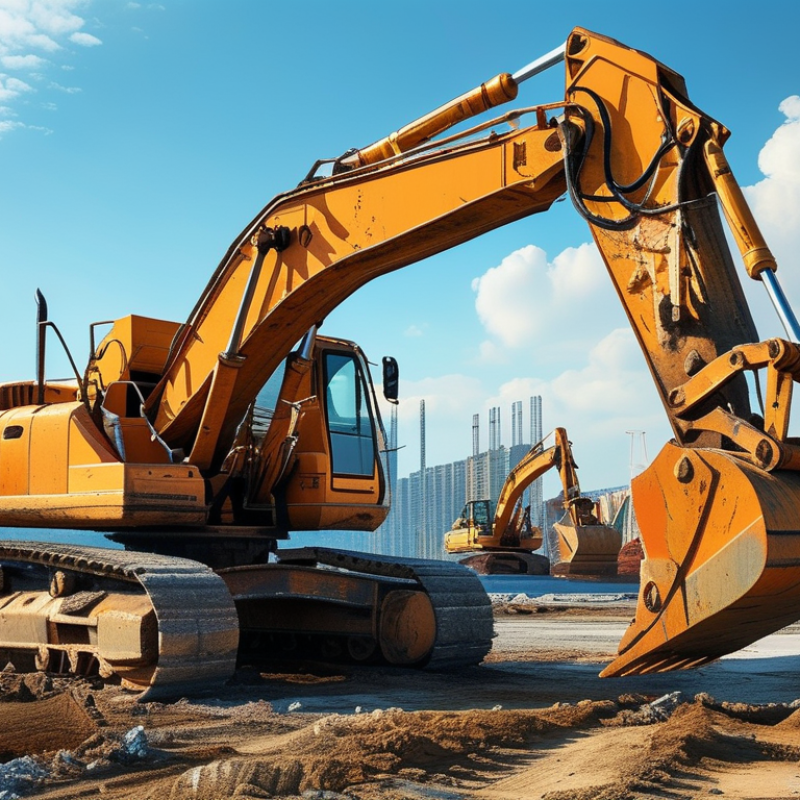
Purchasing used construction machinery can lead to significant cost savings. Industry reports indicate that businesses can save up to 30% when buying used equipment versus new. This is crucial for budget-conscious projects. Companies can allocate these savings towards other essential areas, like labor or materials.
Many used machines come with a history of reliable performance. Data shows that well-maintained used equipment can operate efficiently for years. This reliability can reduce unexpected repair costs, which often occur with new machinery under warranty. However, it’s important to conduct thorough inspections. Having the right technician examine equipment is necessary to avoid future headaches.
Depreciation is another factor where used machinery shines. New equipment loses about 20-30% of its value in the first year. In contrast, used machinery has already absorbed most of that depreciation. Buyers can often resale used equipment at a reasonable price after several years. However, exercises in diligence are critical here. Overspending on the wrong equipment can turn savings into losses. Each purchase demands careful consideration and an understanding of potential risks.
When considering used construction machinery, depreciation rates play a crucial role in understanding value retention. New machinery loses value rapidly, especially in the first few years. In contrast, used machinery has already experienced significant depreciation. This means buyers often pay a lower price for equipment that still delivers solid performance. The slower depreciation of used machinery can make it a smart investment.
However, not all used machinery retains its value equally. Factors such as condition, age, and maintenance history can significantly impact depreciation rates. Buyers should carefully analyze these elements before making a purchase. It’s essential to research and verify the equipment's operational status and service records. A machine well-maintained can offer substantial value.
Investing in used equipment may require a different mindset. It demands a willingness to assess the pros and cons, including potential repair costs. While one might find great deals, the risk of buying equipment that could require extensive repairs should not be ignored. Every investment carries uncertainties, even with used machinery.
| Reason | Depreciation Rate (%) | Value Retention (%) | Average Cost Savings ($) |
|---|---|---|---|
| Lower Initial Purchase Price | 20 | 80 | 15,000 |
| Reduced Depreciation | 10 | 90 | 12,000 |
| Immediate Availability | 15 | 85 | 10,000 |
| Proven Performance | 12 | 88 | 13,500 |
| Lower Insurance Costs | 18 | 82 | 1,500 |
| Availability of Parts | 14 | 86 | 2,000 |
| Lower Maintenance Costs | 25 | 75 | 5,000 |
| Flexibility in Project Types | 16 | 84 | 8,000 |
| Tax Benefits | 8 | 92 | 6,000 |
| Potential for Resale Value | 15 | 85 | 12,500 |
When considering the financial impact of construction machinery, maintenance and repair costs are critical. Used equipment often comes with a lower price tag, but its ongoing expenses are what truly make it cost-effective. Used machinery has often already undergone some repairs, which can lead to a clearer understanding of ongoing maintenance requirements. This transparency can help owners budget more accurately.
New equipment, in contrast, might come with a warranty, but maintenance costs can skyrocket once it expires. Unexpected repairs can create financial strain. Many users of new machines report high service fees and limited repair options, which can lead to dissatisfaction. They also express worries about parts availability for newer models. Used machines typically have an established support network, making repairs simpler and more accessible.
Despite these benefits, it’s essential to assess the condition of used equipment carefully. Pervasive wear or hidden damage can result in costly surprises. Not all used machines are created equal. Buyers should conduct thorough inspections and possibly seek expert opinions. Learning from real-world experiences can save many headaches later. Ultimately, understanding the nuances of maintenance and repair can influence decisions significantly.
Financing options play a crucial role in making used construction machinery more accessible to businesses. According to a recent survey by EquipmentWatch, around 70% of contractors express concerns about the upfront costs of purchasing machinery. This is where financing comes in. Creative financing solutions can ease the burden on cash flow. Options include leases, loans, and even rent-to-own arrangements. These structures allow businesses to acquire necessary equipment without large initial investments.
The depreciation of used machinery can be significant. Reports from the Association of Equipment Manufacturers show that used equipment can lose up to 20% of its value within the first year. However, financing mitigates some of this loss. With structured payments, businesses can invest in high-quality machinery that meets their needs. Data shows that 60% of firms opting for financing report improved project completion times. This can lead to enhanced profitability, helping to offset the machinery’s depreciation.
However, it is essential to approach financing with caution. Not all financing deals offer favorable terms. Some options may include hidden fees or high-interest rates. Businesses should conduct thorough research. Consulting knowledgeable industry professionals can provide clarity and ensure informed decisions. Understanding the nuances of financing will aid firms in utilizing used construction machinery effectively and cost-efficiently.
When considering used construction machinery, two factors significantly affect its cost-effectiveness: brand and condition. The brand of the equipment plays a vital role in its reliability and resale value. Established brands often have better reputations. However, less known brands can occasionally offer good value for money. It's essential to weigh the benefits of brand recognition against potentially lower upfront costs.
Condition is another critical aspect. Machines that have been well-maintained typically provide better performance. Look closely at maintenance records and service history. Machines that appear neglected could lead to unexpected repair costs. This can offset perceived savings on lower purchase prices. Owner inspections are crucial. A thorough check can reveal underlying issues. Ultimately, buyers must balance costs, brand reliability, and machine condition to make informed decisions. Being aware of these nuances can significantly enhance the cost-effectiveness of used construction equipment.
: Businesses can save up to 30% when purchasing used equipment compared to new. This helps on budget-conscious projects.
Many used machines have a history of reliable performance, operating efficiently for years if well-maintained.
Thorough inspections by qualified technicians are necessary to avoid future headaches and unexpected repair costs.
New equipment loses 20-30% of its value in the first year; used machinery has already absorbed this depreciation.
Used equipment often has clearer ongoing maintenance requirements, while new equipment may incur high repair costs once warranties expire.
Used machines generally have an established support network, making repairs simpler and more accessible for owners.
Established brands typically offer reliability and resale value, but lesser-known brands can provide good value too.
Well-maintained equipment provides better performance, while neglected machines can lead to unforeseen repair costs.
Buyers must assess costs, brand reliability, and machine condition carefully, alongside thorough inspections.
Overspending on equipment without proper diligence can shift savings into losses. Checking condition is vital.
When evaluating why used construction machinery is more cost effective, several key factors emerge. Purchasing used equipment often leads to significant cost savings compared to acquiring new machinery, primarily due to lower upfront costs and reduced depreciation rates. Used equipment retains its value better in the initial years, offering a more stable investment option. Additionally, maintenance and repair costs for used machinery can be more manageable, especially if the equipment has been well cared for, saving owners from unexpected expenses that frequently accompany new purchases.
Moreover, financing options for used construction machinery are often more favorable, allowing buyers to navigate their budgets more effectively. The overall impact of the equipment's brand and its condition can also greatly influence cost-effectiveness, making careful consideration crucial for potential buyers. Ultimately, these factors collectively illustrate why used construction machinery provides a financially sound solution for those in the construction industry.

Prizor Excavator