Transporting used heavy equipment can be a daunting task. Knowing how to transport used heavy equipment safely is crucial. There are many variables to consider, from choosing the right vehicle to ensuring proper loading techniques. Each piece of equipment presents unique challenges, making safety a top priority.
Planning is essential before any transport. It involves understanding the dimensions and weight of your machinery. A thorough assessment of road conditions and routes can prevent accidents. You may think it's just about loading the equipment, but it's more than that. The right tie-downs and supports are equally important for stability.
Even with careful planning, mishaps can occur. Equipment can shift, or weather can change unexpectedly. It’s vital to remain vigilant. Regular checks during transport can help catch issues early. Understanding these factors will enhance your confidence in moving heavy equipment safely, leading to more successful operations in the future.
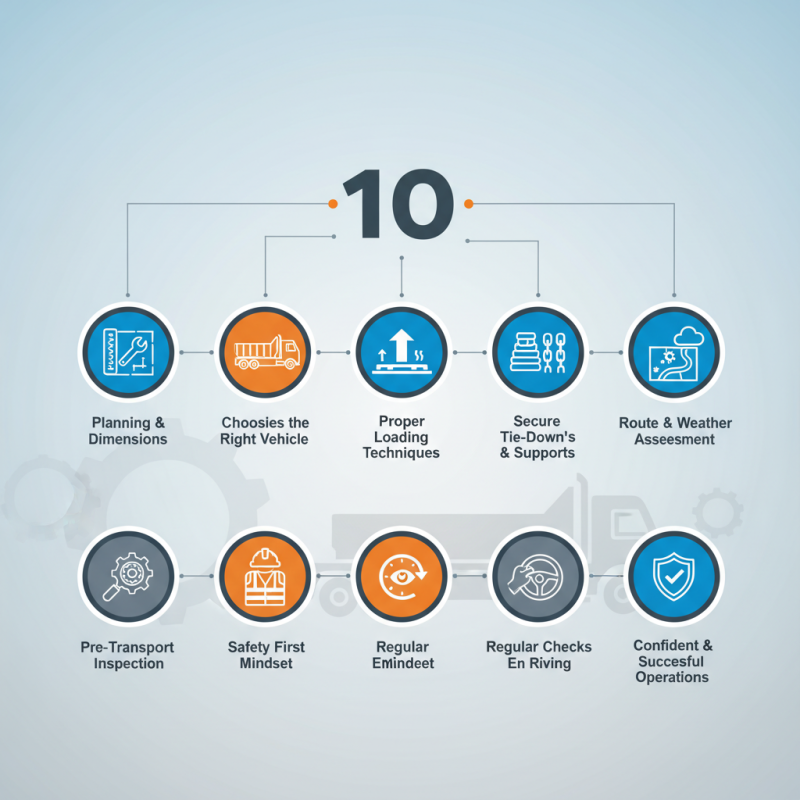
Transporting used heavy equipment safely is crucial for both workers and the environment. Industry statistics indicate that improper loading and transportation can result in approximately 40% of accidents during heavy equipment transit. This highlights the importance of adhering to safety protocols.
Using durable, well-maintained chains and straps is key when securing equipment. Proper weight distribution is essential to prevent rollovers during transport. Regularly inspecting equipment before loading can catch potential issues early. It’s advisable to always have a spotter to guide and monitor the loading process.
In a report by the National Safety Council, it’s noted that companies exercising strict safety measures reduce transportation-related incidents by 30%. Implementing a thorough safety training program for operators can significantly enhance the overall safety culture. Engaging with professionals in the field often reveals areas for improvement that may not be immediately visible. Safety should never be an afterthought; integrating it into every operation is imperative.
Selecting the right transport method is crucial when moving heavy equipment. Different equipment types and weights require tailored solutions. For instance, excavators and bulldozers typically weigh over 20,000 pounds, demanding flatbed trucks or heavy equipment trailers. These vehicles provide the necessary support and stability during transport.
It's also essential to consider the terrain and distance involved. Uneven roads or tight corners can make transport more challenging. Therefore, using low-profile trailers can help navigate tricky routes. However, this option may not suit all equipment sizes. Always weigh the risks and benefits of the chosen transport method.
Additionally, ensure proper loading and securing techniques. Chains and straps should be properly rated for the weight of the equipment. Overlooking this can lead to accidents or equipment damage. Some operators may forget to check these details, leading to costly mistakes. Regular training on secure loading practices can minimize these risks and enhance safety during transport.
When transporting used heavy equipment, having the right tools is crucial for safety. According to a study by the National Institute for Occupational Safety and Health (NIOSH), improper loading and securing practices contribute to a high incidence of transport-related injuries. Using appropriate equipment can significantly reduce these risks.
Essential tools include heavy-duty straps, chains, and ratchet binders. These help secure machinery effectively during transport. It’s vital to regularly inspect these items for wear. A simple frayed strap can lead to catastrophic failures during transit. Additionally, consider investing in corner guards to protect both your equipment and vehicles.
One essential tip is to always calculate the total weight of your load before transportation. Balancing the load evenly across the trailer is crucial. Remember, a load that is too heavy or uneven can flip over during movement. Employing a reliable loading ramp also minimizes the risk of equipment accidents. Make loading and unloading as smooth as possible. Communication among your team is also key during these processes. In the chaos of transport, it’s easy for mistakes to happen. Safety should never take a backseat.
| Tip Number | Tip Description | Essential Equipment/Tools | Safety Precautions |
|---|---|---|---|
| 1 | Inspect the Equipment Before Loading | Inspection Checklist | Ensure all components are intact |
| 2 | Use Proper Loading Techniques | Loading Ramps | Avoid sudden movements |
| 3 | Secure Equipment Effectively | Ratchet Straps | Double-check tightness |
| 4 | Use a Flatbed Trailer | Flatbed Trailer | Ensure weight limits are not exceeded |
| 5 | Balance the Load | Load Distribution Tools | Check center of gravity |
| 6 | Use Appropriate Personal Protective Equipment (PPE) | Hard Hats, Gloves | Follow PPE guidelines |
| 7 | Plan Your Route Carefully | GPS, Maps | Avoid low bridges and narrow roads |
| 8 | Use a Spotter If Necessary | Communication Devices | Ensure clear signals |
| 9 | Monitor During Transport | Cameras, Monitoring Devices | Regularly check on the load |
| 10 | Unloading with Care | Unloading Equipment | Follow unloading procedures |
When it comes to transporting used heavy equipment, regulatory compliance is crucial. The Department of Transportation (DOT) enforces rules that ensure safety on roads. A recent report by the Federal Motor Carrier Safety Administration shows that nearly 4,000 accidents involve heavy equipment transport annually. Understanding these regulations can save time and reduce liability.
One important aspect is ensuring that all equipment is properly secured. Use chains and straps to secure loads, as a shift can lead to accidents. Plan your route carefully, avoiding areas with height or weight restrictions. In 2022, DOT issued fines totaling over $20 million for non-compliance with equipment transport regulations. Staying informed can prevent unnecessary penalties.
Check that drivers possess necessary certifications and that the trailers meet safety standards. Regular equipment inspections can help identify potential issues before transport. Routine checks have been shown to minimize breakdowns on the road. Compliance with DOT regulations not only protects the load but also ensures the safety of others on the road. Reflecting on past transport experiences can highlight the importance of these practices. Prioritize safety to enhance overall transport efficiency.
When planning routes for transporting used heavy equipment, safety should always come first. A comprehensive study by the National Institute for Occupational Safety and Health (NIOSH) indicates that improper route planning contributes to 37% of transport-related accidents. This statistic highlights the critical need for meticulous planning.
Begin by analyzing road conditions. Poorly maintained roads can increase the risk of accidents. Use tools like Google Maps or dedicated route planning software to identify hazards. Steep gradients or sharp turns can pose challenges for large vehicles. It's advisable to avoid congested areas, especially during peak hours. These sites can lead to delays or even collisions.
Consider using a checklist before departure. This may include loading checks, weight limits, and securing equipment. The Federal Motor Carrier Safety Administration (FMCSA) reports that securing loads can reduce misconduct incidents by up to 45%. Inadequate load security not only risks your equipment but also endangers other road users. If possible, do a dry run of your planned route, identifying potential challenges beforehand. Such practices enhance safety and minimize unforeseen risks during actual transportation.
: Flatbed trucks and heavy equipment trailers are ideal for transporting heavy machinery like excavators.
Uneven roads and tight corners can complicate transport. Low-profile trailers may help navigate such routes better.
Use properly rated chains and straps. Regularly inspect these items to ensure they are not worn out.
Heavy-duty straps, chains, ratchet binders, and corner guards are crucial for securing equipment effectively.
Calculate the total weight and distribute it evenly across the trailer to minimize accident risks.
Non-compliance can lead to hefty fines. Poor practices may also increase accident risks during transport.
Driver certification ensures that individuals are qualified to handle heavy equipment safely on the road.
Improper loading and securing methods can contribute significantly to transport-related injuries.
Effective communication among team members can prevent mistakes that occur in the chaos of loading and unloading.
Regular checks can identify potential issues, reducing the likelihood of equipment breakdown during transport.
Transporting used heavy equipment safely is crucial to ensure both equipment integrity and safety on the roads. This involves understanding the importance of safety in heavy equipment transport, which begins with selecting the right transport method tailored to the type and weight of the equipment. Essential equipment and tools must be utilized for effective loading and securing practices, ensuring that the machinery is stable throughout the journey.
Additionally, it's vital to comply with regulatory requirements, particularly those set by the Department of Transportation (DOT). Thorough route planning is also necessary to identify and mitigate potential risks and hazards. By following these best practices, one can learn how to transport used heavy equipment safely, reducing the risk of accidents and damages during transit.

Prizor Excavator