Reselling used construction equipment is not simply a matter of posting photographs and choosing a price. It requires evidence, timing, and disciplined communication. The central question is how to resell used construction machinery effectively while protecting buyer confidence and seller value. A serious seller begins with the machine’s identity, operating hours, service history, ownership records, and current condition. Small details matter. A cracked hydraulic hose, worn bucket teeth, or a cold-start video can change a buyer’s decision.
Ritchie Bros. former CEO Ann Fandozzi has expressed a useful principle: “Trust is built one transaction at a time.” That idea shapes every effective resale strategy. Clear photographs should show the tires, undercarriage, controls, engine bay, and visible damage. Maintenance invoices should match the machine’s serial number whenever possible. Honest descriptions usually attract better-qualified buyers. Overstated claims can create disputes, delays, and lost credibility.
Market research also deserves practical attention. Compare similar excavators, loaders, cranes, or dozers by age, hours, attachments, location, and transport costs. A low asking price may increase inquiries, but it can also signal hidden problems. A high price may protect margin and reduce buyer interest. There is no perfect formula. I may still misjudge demand during a slow construction season. That is why flexible pricing and prompt answers matter. The following ten tips examine inspection, documentation, presentation, pricing, negotiation, logistics, and after-sale communication. Each step is designed to make the transaction clearer, safer, and more commercially realistic.
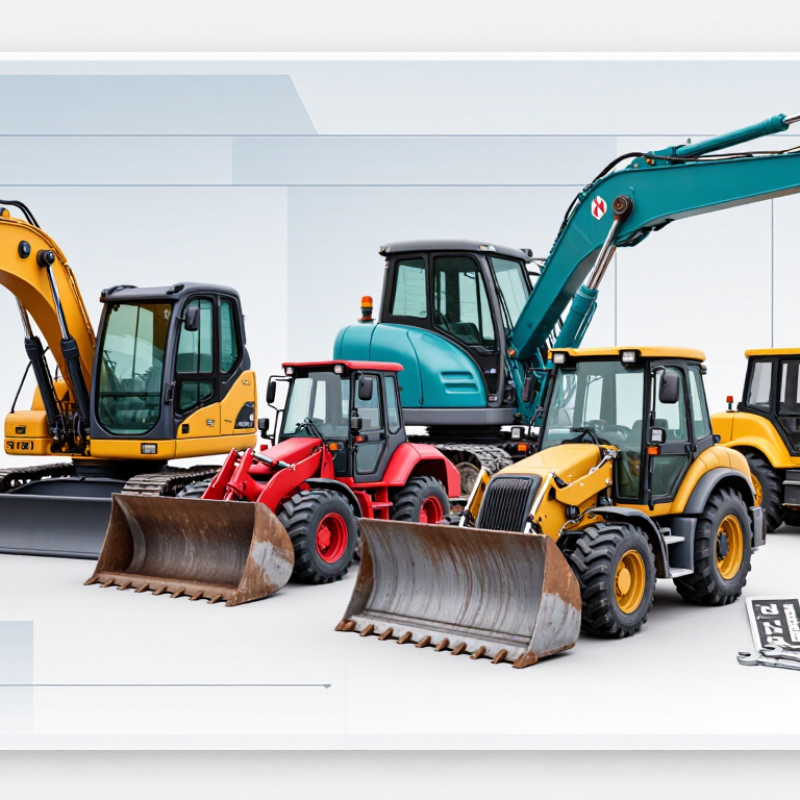
Before pricing used construction machinery, study the market where the machine will operate. Demand differs between urban projects, road work, farming, and mining areas. A compact excavator may sell quickly near residential development, while a large crane may need months.
I compare recent auction results, dealer listings, rental rates, and local infrastructure plans. Asking prices can mislead. Completed sales reveal real buyer behavior. I also check seasonal patterns, fuel costs, transport fees, and access to qualified technicians. Demand shifts quickly. That part is easy to underestimate.
Machine condition must match the market’s expectations. Buyers usually examine operating hours, hydraulic performance, tire or track wear, attachment condition, and maintenance records. Hours tell only part. A well-serviced machine with 8,000 hours may outperform neglected equipment with 5,000 hours. I recommend an independent inspection, cold-start video, fluid analysis, and clear photographs of leaks or repairs. Transparent evidence builds trust and reduces disputes.
I once overestimated demand for an older loader because similar listings looked expensive. They remained unsold for weeks. The better lesson was simple: inventory age matters more than optimistic pricing. Adjust the valuation for transport distance, import requirements, safety documentation, and readily available replacement parts. A resale strategy should reflect verified market evidence, not personal attachment to the machine.
Reselling used construction machinery starts with an honest inspection. A clean appearance can hide expensive mechanical problems. Check the engine, hydraulic system, transmission, brakes, tires, tracks, and electrical controls. Look for oil leaks, cracked hoses, uneven wear, loose pins, and unusual sounds during operation. Test the machine under working conditions, not only while parked.
Document every finding immediately. Record the machine’s hours, service history, recent repairs, fluid levels, and attachment condition. Take clear photographs from all sides, including the serial plate, dashboard, undercarriage, and damaged areas. A short video of the engine starting and the machine moving can answer questions before a buyer visits. Keep it factual.
I once underestimated a small hydraulic leak because the machine performed normally during a brief test. A later inspection found contaminated fluid and a worn seal. That mistake reduced the resale value and delayed the sale. Now, I inspect after operating the machine, when warm components may reveal hidden leaks. I also compare maintenance records with visible wear. Sometimes the records are incomplete. State that plainly, and explain what was verified. Buyers usually accept uncertainty when it is documented carefully. Include repair estimates where possible, but avoid promising performance you cannot prove. Record everything.
| Asset ID | Machine Type | Model Year | Meter Reading | Inspection Date | Engine and Hydraulics | Undercarriage or Tires | Safety and Structure | Overall Condition | Documentation Status | Estimated Resale Range | Recommended Resale Action |
|---|---|---|---|---|---|---|---|---|---|---|---|
| CM-001 | Tracked Excavator, 20–22 metric tonnes | 2018 | 6,420 hours | 2026-09-08 | No visible leaks; hydraulic cycle is smooth; engine starts normally with minor idle vibration. | Tracks show approximately 55% remaining life; sprocket wear is moderate. | Cab glass intact; work lights functional; minor dents on counterweight. | Good | Complete inspection file | US$72,000–86,000 | Clean thoroughly, photograph all sides, and list with verified hour-meter readings. |
| CM-002 | Articulated Dump Truck, 35–40 tonnes | 2017 | 8,150 hours | 2026-09-09 | Engine oil pressure is within normal operating range; slight seepage at one hydraulic fitting. | All tires are serviceable; two tires have approximately 35% tread remaining. | Frame is straight; reverse alarm works; tailgate latch needs adjustment. | Fair | Service records partially available | US$61,000–74,000 | Repair the hydraulic fitting and adjust the latch before listing. |
| CM-003 | Wheel Loader, 3.0–3.5 m³ bucket | 2019 | 5,780 hours | 2026-09-10 | Engine performance is stable; transmission shifts correctly; no active hydraulic leaks observed. | Tires have approximately 65% tread remaining with even wear. | Bucket cutting edge is worn but usable; seat belt and mirrors are functional. | Good | Complete inspection file | US$88,000–104,000 | Include loader lift-test results and close-up images of the bucket edge. |
| CM-004 | Motor Grader, 12–14 feet moldboard | 2016 | 7,960 hours | 2026-09-11 | Engine runs evenly; articulation joint has noticeable but acceptable play. | Front and rear tires have 45%–50% tread remaining. | Moldboard shows edge wear; parking brake holds on a moderate incline. | Fair | Complete inspection file | US$52,000–66,000 | Disclose articulation play and price the unit according to wear. |
| CM-005 | Crawler Dozer, 18–22 metric tonnes | 2015 | 9,340 hours | 2026-09-12 | Engine has a small oil seep at the valve-cover area; blade hydraulics operate normally. | Track chains and rollers are approximately 30%–40% remaining. | ROPS structure appears sound; several exterior work lights require replacement. | Fair | Missing recent service invoices | US$48,000–60,000 | Replace defective lights and obtain an independent undercarriage measurement. |
| CM-006 | Backhoe Loader, 7–9 tonnes | 2020 | 3,860 hours | 2026-09-13 | Engine starts quickly; hydraulic functions are responsive; no visible fluid leaks. | Front tires have 70% tread; rear tires have approximately 60% tread. | Stabilizers hold pressure; seat belt, horn, and warning lights operate correctly. | Good | Complete inspection file | US$49,000–61,000 | Present cold-start video, operating video, and maintenance history. |
| CM-007 | Skid-Steer Loader, 0.5–0.7 m³ bucket | 2018 | 4,920 hours | 2026-09-14 | Engine runs correctly; auxiliary hydraulics show minor pressure fluctuation. | Rubber tracks have approximately 40% remaining and moderate sidewall wear. | Operator restraint works; attachment coupler has surface corrosion but locks securely. | Fair | Complete inspection file | US$27,000–35,000 | Test auxiliary flow, document the result, and disclose track condition clearly. |
| CM-008 | Rough-Terrain Telehandler, 3–4 tonnes | 2017 | 6,730 hours | 2026-09-15 | Engine operates normally; boom extension is smooth; minor seepage at a tilt-cylinder seal. | All-terrain tires have approximately 50% tread remaining. | Load chart is present; forks are serviceable; windshield has a small repaired chip. | Fair | Inspection certificate requires renewal | US$42,000–54,000 | Renew the applicable safety inspection and repair the cylinder seal before sale. |
| CM-009 | Vibratory Soil Compactor, 10–12 tonnes | 2019 | 2,940 hours | 2026-09-16 | Engine and vibration system operate normally; no hydraulic leaks found. | Drum surface is even; scraper bars show moderate wear. | Emergency stop and water-spray system function correctly; paint fading is visible. | Good | Complete inspection file | US$46,000–58,000 | Replace worn scraper bars and include vibration-test observations. |
| CM-010 | Asphalt Paver, 2.5–3.5 metres | 2016 | 5,410 hours | 2026-09-17 | Engine runs normally; conveyor and auger functions are operational; screed heating is uneven. | Rubber tracks have approximately 45% remaining with moderate wear. | Operator controls work; screed plates show wear; emergency-stop switches require testing. | Needs Repair | Operating records incomplete | US$39,000–50,000 | Repair the screed heating system, test emergency stops, and document results before listing. |
A competitive price begins with evidence, not hope.
In my resale work, I compare recent auction results, dealer listings, and completed private sales. I record the machine’s age, operating hours, attachments, service history, and location. Two similar excavators can have very different values. One may have clean hydraulic tests, while another shows oil stains near the pump. Numbers matter.
I also request an independent inspection before publishing the price. A technician checks the engine, undercarriage, hydraulics, controls, and safety systems. I photograph worn parts clearly, instead of hiding them behind polished panels. Buyers trust accurate details. They also notice inconsistent claims. If comparable machines sell for 42,000 to 47,000 dollars, I avoid listing at 60,000 without strong evidence. A higher price needs a clear reason.
Regional demand can change the calculation.
A compact loader may sell faster in an urban market, while a larger machine may attract more interest near infrastructure projects. I adjust for transport costs, seasonal demand, and included attachments. My first estimate is not always correct. Sometimes I price too confidently and lose weeks of inquiries. That mistake reminds me to review new market data regularly. After ten to fourteen days, I examine views, questions, offers, and inspection feedback. If serious buyers repeatedly mention the same concern, the price or listing details may need revision.
A strong listing answers a buyer’s practical questions before a phone call. State the machine’s year, operating hours, serial number, location, attachments, and service history. Add clear photographs of the undercarriage, hydraulic lines, engine bay, controls, and visible damage. Show the flaws. Buyers notice.
The 2023 Global Construction Survey reported that 69% of respondents experienced supply-chain disruption. This makes accurate availability details especially valuable. Mention whether the machine is ready for inspection, loading, and export. Include recent maintenance dates, oil-analysis results, tire or track condition, and cold-start video evidence. Avoid phrases such as “excellent condition” without proof. A qualified buyer needs measurable facts, not optimism.
Search data also matters. The 2024 Global Construction Equipment Market Review identified replacement demand and rental-fleet turnover as important sources of used machinery. Use specific keywords, including machine type, rated capacity, working height, engine power, and attachment size. Separate confirmed facts from estimates. I have seen listings lose serious buyers because hours were inconsistent across the title and description. That mistake is easy to prevent. Provide a direct inspection contact, realistic response times, and transparent delivery terms. A missing detail can look like a hidden problem, even when it is only poor preparation.
Reselling used construction machinery safely starts with accurate records, not attractive photos. I inspect the machine in daylight and record its hours, serial number, attachments, and visible damage. Check the engine oil, hydraulic fluid, hoses, tires, tracks, brakes, and warning lights. A cold start reveals more than a warm engine. Listen for uneven knocking, smoke, or delayed hydraulic movement. Take clear photos of leaks and worn parts. Do not hide minor defects; they often become major disputes.
During negotiations, provide maintenance invoices, inspection dates, repair estimates, and known operating limits. Set a realistic price using condition, age, working hours, and local demand. Leave room for questions. Never accept unexplained payment arrangements or pressure to skip inspection. A written agreement should identify the machine, price, deposit, delivery terms, condition, and responsibility for damage. I once underestimated transport costs because I trusted an informal estimate. That mistake reduced the profit sharply.
Before ownership changes, verify the serial number against every document and confirm that no lien, theft report, or ownership dispute exists through appropriate official channels. Confirm local registration, tax, export, and import requirements. Prepare a signed bill of sale, inspection report, manuals, maintenance history, and spare-key record. Photograph the machine during handover, including the hour meter and attachment pins. Use a secure payment method and release the equipment only after funds are confirmed. Keep copies of every message. Details matter.
Recommended evidence coverage targets for safe negotiations, inspections, and ownership transfer.
Use this checklist to reduce disputes and improve buyer confidence. Verify machine condition, maintenance history, ownership documents, outstanding liens, payment terms, and final handover records before completing the sale.
Study the machine’s working region and project types. Urban sites may favor compact excavators, while road projects need larger equipment. Check completed sales, rental rates, dealer listings, and infrastructure plans. Asking prices can mislead. Seasonal demand changes quickly.
Buyers inspect operating hours, hydraulics, tires or tracks, attachments, and maintenance records. Hours are only part of the story. A serviced machine with 8,000 hours may outperform neglected equipment with 5,000 hours. Show leaks and repairs clearly.
Yes. An independent technician can inspect the engine, undercarriage, controls, hydraulics, and safety systems. Request a cold-start video, fluid analysis, and clear inspection notes. Polished panels do not prove good condition.
Compare recent auction results, completed private sales, and current dealer listings. Record age, hours, attachments, service history, and location. If similar machines sell for $42,000 to $47,000, a $60,000 price needs strong evidence. Hope is not evidence.
Consider transport distance, loading fees, lawful import requirements, safety documents, technician availability, and replacement parts. A machine far from qualified service support may need a lower price. Buyers calculate inconvenience carefully.
Include the year, operating hours, serial number, location, attachments, and service history. Add photos of the undercarriage, engine bay, controls, and hydraulic lines. Mention visible damage. Buyers notice missing details.
Use specific terms such as machine type, rated capacity, engine power, working height, and attachment size. State whether inspection, loading, and lawful delivery are available. Provide realistic response times and direct contact details. Be specific.
Review views, questions, offers, and inspection feedback after ten to fourteen days. Repeated concerns may indicate a pricing or information problem. I once trusted expensive listings and waited weeks without serious interest. Inventory age taught me to reassess sooner.
Reselling used construction machinery effectively requires a structured approach that combines market research, accurate equipment evaluation, and clear communication. Start by assessing current demand, buyer preferences, seasonal trends, and competing listings. Inspect each machine carefully, record its operating hours, maintenance history, service records, visible wear, and functional performance, and take clear photographs to support an honest description. These details help establish buyer confidence and reduce misunderstandings.
To understand how to resell used construction machinery effectively, set a competitive price based on comparable equipment, condition, age, specifications, and included attachments. Create informative listings that highlight practical benefits while clearly disclosing defects or required repairs, then promote them through suitable industry channels to reach qualified buyers. During negotiations, remain transparent, allow reasonable inspections, confirm payment arrangements securely, and prepare complete ownership and maintenance documentation. A careful transfer process protects both parties and creates a professional resale experience.

Prizor Excavator