What Are the Risks of Buying Used Construction Machinery?

Time:2026-05-09 Author:Liam
0%

When considering a purchase, buyers often wonder, "what are the risks of buying used construction machinery?" The construction industry is growing, with a projected compound annual growth rate of 5.4% from 2021 to 2028. However, while used machinery can offer significant savings, it carries certain risks that can impact project outcomes.

Used machinery may seem attractive due to lower initial costs. Yet, reports indicate that up to 30% of used equipment can have hidden defects. These defects often lead to unexpected repair expenses and project delays. Moreover, a lack of proper maintenance history can jeopardize the reliability of the machinery. Buyers should be aware that over 50% of used construction machines do not meet the latest safety standards, posing risks to both workers and projects.

Furthermore, used equipment can depreciate quickly. According to industry studies, machinery can lose up to 20% of its value in the first year. Buyers need to be cautious, as this rapid depreciation can result in poor resale value. It's crucial to approach the market with a discerning eye and consider factors beyond just the upfront cost. The complexities involved in purchasing used equipment require careful assessment to mitigate potential risks effectively.
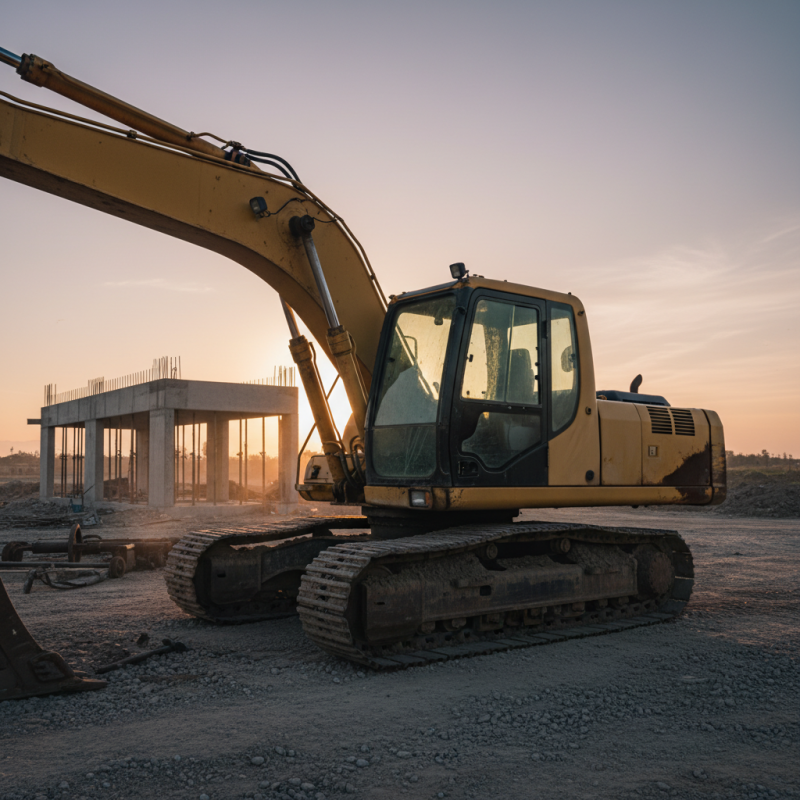
What Are the Risks of Buying Used Construction Machinery?

Risks Associated with the Age and Condition of Used Machinery

Buying used construction machinery can be a wise financial decision. However, it's crucial to understand the risks associated with the age and condition of such equipment. Older machines may have hidden issues that can lead to costly repairs. Wear and tear, rust, and outdated technology can impact performance. Even machines in seemingly good condition may have underlying problems that are not immediately visible.

When inspecting used machinery, pay attention to usage history. Machines that have been overworked may experience more mechanical failures. Documentation of previous maintenance can provide insight into potential risks. Look for discrepancies in hours listed vs. actual wear on parts. It can indicate improper usage or neglect.

Tips: Always request a thorough inspection. Hiring a qualified mechanic can help. They can identify weaknesses that could lead to future issues. Compare different machines before making a choice. Each has its unique set of risks based on usage and maintenance history. Don’t rush into a purchase; take your time to evaluate every option carefully. Remember, a well-informed decision minimizes future headaches.

Market Value Depreciation of Used Construction Equipment Over Time

When considering buying used construction machinery, market value depreciation is a significant factor. Equipment loses value over time due to wear and tear, technical obsolescence, and changing market demands. A machine bought a few years ago may not hold the same market value today. This depreciation can affect your investment returns.

Understanding the depreciation rate is crucial. For some types of equipment, the first two years see the steepest drop in value. After that, the rate stabilizes. Buyers often underestimate how quickly certain machines depreciate, which can lead to overpaying. Evaluating the age and condition of a machine is essential to avoid making costly mistakes.

While used machinery can be a bargain, it's not without risks. You may find hidden defects or excessive wear. Repairs can add up quickly, impacting your budget. It’s wise to have a qualified mechanic inspect the equipment before purchase. Don’t rely solely on seller claims. Always check maintenance records and usage history for a clearer picture.

Potential Hidden Costs in Repairs and Maintenance of Used Machinery

When considering the purchase of used construction machinery, buyers often overlook hidden costs related to repairs and maintenance. The machinery may appear in good condition, but underlying issues can be expensive. According to a report by the Association of Equipment Manufacturers, about 25% of buyers face unexpected repair costs within the first year. These surprises can significantly impact budgets.

Used machinery often requires more frequent maintenance. Aging components may lead to downtimes, which can halt projects. A study conducted by the Construction Industry Institute highlights that machinery downtime can cost contractors up to $1,500 per hour. This isn't just about lost productivity; it also means additional repair fees and possibly prolonged project timelines.

Buyers should also be aware of the potential for outdated technology. An older machine may lack modern features that enhance efficiency and safety. This gap can lead to increased operational costs. The American Rental Association estimates that nearly 40% of workers have reported incidents related to aging equipment. Without careful inspections and planning, these hidden costs can turn a seemingly good deal into a financial burden.

Impact of Equipment History on Performance and Reliability

When considering used construction machinery, the equipment's history is crucial. Prior usage impacts overall performance and longevity. Machines that have been poorly maintained may face severe issues. Routine inspections and maintenance records tell much about a machine's reliability. A lack of documentation can raise red flags.

Wear and tear is inevitable. A machine that has worked on rough terrain will show more signs of stress. Even minor damages can lead to costly repairs later. Understanding the machine’s history can indicate how it performs under pressure. Operators should always ask for detailed service records. This information helps assess potential future problems.

Be cautious when reviewing used machinery. Some sellers may not disclose all past issues. Trustworthy sellers are open about a machine's history. If equipment has changed hands multiple times, this adds complexity. It’s vital to perform a thorough inspection before making a purchase. Relying solely on the seller's word can be risky. It’s your responsibility to ensure that you are investing wisely.

Impact of Equipment History on Performance and Reliability

This chart illustrates the performance rating and reliability scores based on the history of used construction machinery. The data indicates the risks associated with purchasing used equipment based on various factors.

Regulatory Compliance Risks When Purchasing Used Construction Machines

Buying used construction machinery involves specific regulatory compliance risks. Every machine must meet safety standards and environmental regulations. Failure to comply can lead to fines and project delays. It’s crucial to understand local laws regarding used machinery. Different areas may have varying requirements, which can complicate your buying decisions.

A reliable seller should provide all necessary documentation. This includes certification of compliance with safety standards. Uncertainties in these documents may indicate potential issues. You should verify these documents with regulatory bodies. This extra step could save a considerable amount of trouble later on.

Tips: Always conduct a thorough inspection of the equipment. Look for signs of damage or misuse. If possible, hire a professional to assess the machinery. This investment can prevent future compliance challenges. Additionally, keep updated records of all transactions and communications. This practice ensures transparency and can protect you legally should disputes arise.

FAQS

: Why is depreciation important when buying used construction equipment?

: Depreciation affects the investment returns. Equipment loses market value over time due to wear and technical obsolescence.

How quickly does equipment typically depreciate?

The steepest value drop usually happens in the first two years. After that, the rate stabilizes significantly.

What are hidden defects in used machinery?

Hidden defects can lead to unexpected repairs. These issues may not be visible during a casual inspection.

How can repairs affect my budget?

Repairs can be costly and add up fast. Many buyers face unexpected repair costs in the first year.

What impact does downtime have?

Downtime can significantly affect project timelines. It may cost contractors up to $1,500 per hour in lost productivity.

Why is equipment history important?

A machine's history affects performance and reliability. Poor maintenance can lead to severe future issues.

What should I check before buying used machinery?

Always inspect maintenance records and usage history. Ask for detailed service records to assess potential problems.

Are there risks when relying on seller information?

Yes, sellers may not disclose all past issues. It’s essential to conduct a thorough inspection to avoid risks.

What should I look for in a trustworthy seller?

A trustworthy seller should be open about the machine's history. Transparency is key to ensuring a wise investment.

How can outdated technology impact my purchase?

Older machines may lack modern features, leading to higher operational costs. This can impact efficiency and safety on the job.

Conclusion

When considering the question of "what are the risks of buying used construction machinery," several factors come into play. One significant concern is the age and condition of the machinery, as older units may require more frequent repairs, potentially leading to unexpected costs. Additionally, the market value of used construction equipment tends to depreciate over time, which can affect resale value and investment returns.

Furthermore, potential hidden costs related to repairs and maintenance might arise, exposing buyers to more expenses than initially anticipated. The equipment's history, including prior use and maintenance practices, can greatly influence its performance and reliability. Lastly, regulatory compliance risks must also be acknowledged, as purchasing used machinery may entail adherence to specific standards that vary by region. Overall, understanding these risks is crucial for making informed decisions when purchasing used construction equipment.

Liam

Liam

Liam is a dedicated marketing professional with a profound expertise in the industry, where he excels at highlighting the unique advantages of our core products. With a keen understanding of market trends and consumer needs, Liam frequently updates our company’s professional blog, providing......