When asking “what industries use used construction equipment the most,” construction contracting usually leads the discussion. Small and mid-sized contractors often choose pre-owned excavators, loaders, cranes, and compactors to control project costs. A well-maintained five-year-old excavator can still dig foundations, trenches, and drainage channels reliably. The purchase may also reduce waiting time when new machines face long delivery schedules.
Road building and infrastructure companies are major users as well. These businesses need rollers, graders, pavers, and dump trucks for highways, bridges, utilities, and public works. Demolition firms commonly buy used excavators with hydraulic breakers, while landscaping companies prefer compact loaders and mini excavators. Agricultural operations also use construction equipment for pond work, land preparation, and material handling. Different industries demand different attachments and operating capabilities.
Condition matters more than age alone. Experienced buyers inspect hydraulic systems, undercarriages, engine hours, welds, warning lights, and maintenance records. A machine working in dusty quarry conditions may show more wear than one used on residential projects. Independent inspections can reveal costly problems before payment. Still, no checklist is perfect. Records may be incomplete, and hour meters can require careful verification. That uncertainty deserves honest attention.
This guide examines the industries purchasing used construction equipment most frequently. It compares their typical machines, operating environments, budget pressures, and maintenance expectations. Reliable dealers, service technicians, and documented inspections can improve purchasing decisions. The goal is practical guidance, not a universal formula. Each machine has a history.
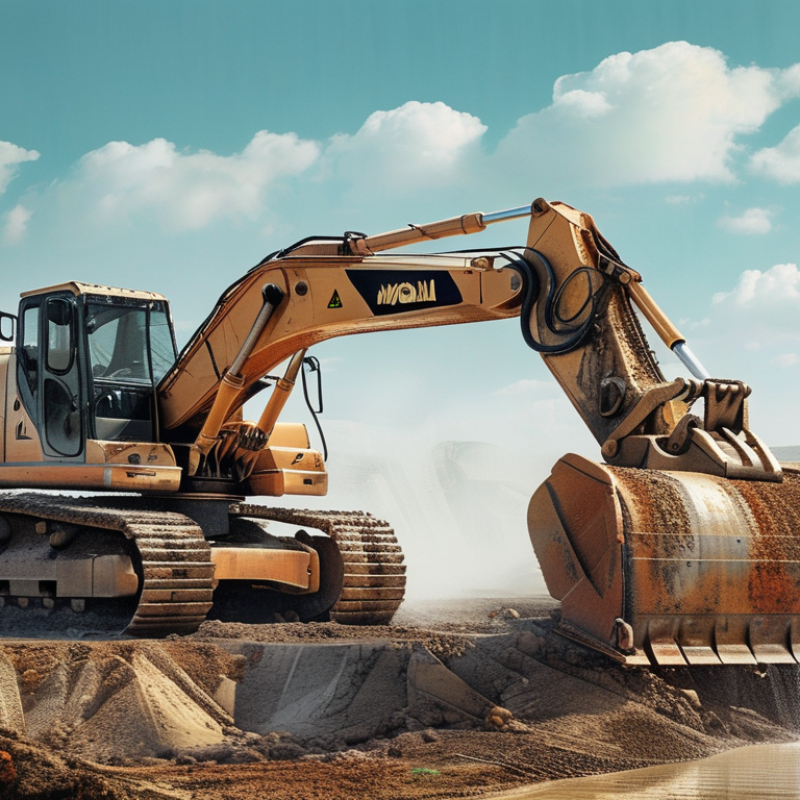
Construction contractors often depend on used excavators, loaders, and compactors to control project costs. Small and mid-sized crews use them for trenching, grading, foundation work, and site preparation. A machine with visible wear can still perform well when its maintenance history is clear. However, a low purchase price may hide expensive hydraulic, engine, or transmission problems.
Agriculture also uses used construction equipment for drainage, land clearing, road repair, and material handling. On farms, a loader may move feed in the morning and gravel in the afternoon. Municipal public works departments rely on used machines for sidewalk repairs, snow removal, utility access, and storm cleanup. Utility contractors use compact excavators around pipelines and service lines, where narrow dimensions matter. Landscaping companies often choose smaller machines for retaining walls, tree removal, and residential grading. Mining and recycling operations may purchase older heavy equipment for demanding material movement, but operating conditions require careful inspection.
Tips: Check service records before negotiating. Inspect cold-start behavior, tire wear, hydraulic cylinders, and warning lights. Test the machine under realistic load, not only on flat ground. Ask whether replacement parts remain available. Bring an experienced technician when possible. Even careful buyers miss small leaks sometimes, so keep a repair reserve. A machine that fits the job usually matters more than a machine with the lowest price.
Construction and general contracting companies create the strongest demand for used equipment. Small contractors often need excavators, skid steers, loaders, compactors, and aerial work platforms. A reliable used machine can protect cash flow when new equipment prices rise. On a residential site, one excavator may dig foundations, move gravel, and prepare drainage trenches. Attachments increase flexibility without requiring another machine. Demand changes with housing permits, infrastructure budgets, and seasonal weather. It is not constant.
Road builders and utility contractors also buy used machines regularly. They favor equipment with documented service hours, strong hydraulic performance, and easy transport. A contractor repairing water lines may choose a compact excavator with a narrow bucket. A paving crew may need a roller that maintains stable vibration and even compaction. Inspection should include cold starts, undercarriage wear, fluid leaks, control response, and structural cracks. Service records matter more than polished paint. Yet buyers sometimes overlook transport costs, attachment compatibility, or repair time. That mistake can erase a low purchase price.
Landscaping, demolition, agricultural construction, and municipal maintenance add steady secondary demand. Their budgets differ, but their questions are similar: Can the machine work safely, efficiently, and predictably? Equipment dealers and independent inspectors can verify operating hours, maintenance history, and replacement-part availability. Buyers should compare ownership costs over twelve months, not only the sale price. A machine with moderate hours may outperform a newer unit if it received consistent maintenance. Still, records can be incomplete. That uncertainty deserves a realistic repair reserve and careful contract review.
Infrastructure and road development projects use used construction equipment extensively. These machines support highway widening, bridge approaches, drainage work, and urban utility installation. Excavators remove soil around buried pipes, while wheel loaders move aggregate near active work zones. Motor graders create precise slopes before paving begins. Their value is practical: contractors can expand fleets without placing excessive pressure on project budgets.
Road maintenance crews also depend on used rollers, compactors, milling machines, and asphalt pavers. A roller may spend long hours beside fresh base material, producing steady vibration under dusty conditions. Reliable equipment keeps traffic disruption shorter. However, appearance can deceive. A clean machine may still have worn hydraulic seals, uneven tires, or hidden frame fatigue. Experienced buyers inspect operating hours, maintenance records, fluid leaks, attachment wear, and cold-start performance. Bridge and tunnel projects require extra caution because limited access leaves little room for mechanical failure.
Tips: Test equipment under realistic loads, not only at idle. Check service history against visible wear. Ask an experienced mechanic to inspect hydraulic pressure, brakes, steering, and safety controls. Budget for hoses, filters, and minor electrical repairs. That estimate is often too optimistic. Used equipment can perform strongly, but only when its past work matches the demands of the next road project.
Mining, quarrying, and material extraction operations use more used construction equipment than many industries. Their work is hard on machinery, but equipment also loses value quickly. The U.S. Geological Survey reported that American nonfuel mineral production reached about $105 billion in 2023. That scale creates steady demand for excavators, wheel loaders, haul trucks, crushers, and drilling rigs. Used machines help smaller operators expand without carrying the cost of new equipment.
Quarries often buy used wheel loaders for stockpile management. A loader may move thousands of tons of stone across short, repetitive routes. Mining contractors also choose used excavators and articulated dump trucks for temporary projects. According to the Global Mining Guidelines Group, equipment availability and maintenance strongly influence mining productivity. That makes service records more important than a polished exterior. Check the hour meter carefully. It may not tell the whole story.
A practical inspection should include hydraulic oil testing, undercarriage wear, frame cracks, brake performance, and cooling-system pressure. Crushers require special attention around bearings, liners, and vibration points. The U.S. Mine Safety and Health Administration continues to identify mobile equipment and machinery as serious safety concerns in mining workplaces. Buyers should verify guarding, alarms, operator visibility, and local compliance requirements before delivery. No major report isolates used equipment by industry perfectly. That gap matters. Market assumptions can be wrong. A cheaper machine may become expensive when parts, transport, and downtime are added.
Agriculture uses a large share of used construction equipment, especially compact loaders, backhoes, excavators, and telehandlers. The USDA’s 2022 Census of Agriculture counted nearly 1.9 million farms across 880 million acres in the United States. That scale creates constant demand for drainage work, fence preparation, barn repairs, and material handling. A used machine can reduce capital pressure, but farm operators must check hydraulic leaks, tire wear, cold-start performance, and service records. A low purchase price is not always a low operating cost. That assumption is too neat.
Landscaping contractors often choose used compact excavators, skid-steer loaders, and mini loaders for grading, planting, stump removal, and hardscape preparation. The U.S. Bureau of Labor Statistics projects continued employment growth for grounds maintenance workers through 2033, supporting steady equipment demand. Utility service crews also rely on used excavators, trenchers, loaders, and aerial-support equipment for water, drainage, and electrical projects. The American Society of Civil Engineers’ 2021 Infrastructure Report Card identified major investment needs across roads, water systems, and energy infrastructure. Those projects require practical machines, not showroom perfection. Operators should inspect attachment compatibility, operating hours, safety controls, and parts availability before purchase. Some older equipment performs well. Some becomes an expensive lesson.
: Used machines reduce upfront costs. They support stone handling, excavation, hauling, crushing, and temporary contracts.
Wheel loaders often move stockpiled stone. Excavators, dump trucks, crushers, and drilling rigs also serve demanding sites.
Check hydraulic oil, undercarriage wear, frame cracks, brakes, and cooling pressure. Inspect the machine in person.
No. Service records, repairs, idle time, and working conditions matter too. The meter may not tell the whole story.
Check guards, alarms, operator visibility, and emergency controls. Confirm local requirements before transporting the machine.
Farms use compact loaders, backhoes, excavators, and telehandlers. Common tasks include drainage, fence preparation, barn repairs, and material handling.
Inspect hydraulic leaks, tires, cold-start performance, attachments, and service history. A low price can hide high operating costs.
Compact excavators, skid-steer loaders, and mini loaders support grading, planting, stump removal, and hardscape preparation.
Excavators, trenchers, loaders, and support equipment help with water, drainage, and electrical projects. Parts availability remains important.
Yes, if maintenance records and parts support are strong. But transport, repairs, and downtime can change the calculation. Sometimes the lesson is expensive.
Used construction equipment supports a wide range of industries that need reliable machinery without the cost of buying new units. The question of what industries use used construction equipment the most is especially relevant to construction and general contracting, where excavators, loaders, graders, lifts, and compactors help with site preparation, building work, demolition, and material handling. Pre-owned equipment can also help contractors expand their capabilities while managing project budgets and maintenance needs.
Infrastructure and road development teams commonly use secondhand machinery for excavation, paving preparation, drainage work, and utility installation. Mining, quarrying, and material extraction operations may depend on durable used equipment for moving earth, processing raw materials, and transporting heavy loads. Agriculture, landscaping, and utility service providers also benefit from compact and versatile machines for land clearing, grading, trenching, property improvement, and maintenance projects. Across these industries, equipment condition, operating history, safety features, availability of replacement parts, and suitability for the intended workload are important factors when choosing used machinery.

Prizor Excavator