What to Consider When Importing Used Machinery for Your Business?

Time:2026-07-07 Author:Mason
0%

Importing used machinery can significantly impact your business. However, it requires careful consideration. James Carter, a veteran in the machinery industry, states, "Understanding the risks is vital when importing used equipment." This insight emphasizes the importance of thorough research.

What to consider when importing used machinery involves several factors. Condition and age of the equipment must be assessed carefully. It’s essential to request detailed inspection reports. Often, dealers do not provide complete information, making due diligence imperative. Additionally, understanding local regulations and compliance standards is essential. Machinery that meets safety and environmental guidelines will save future headaches.

Another key point is the supplier's reliability. Finding trustworthy dealers can be challenging. Many offer attractive prices but lack transparency. A bad deal can affect production and finances. Always seek references and customer feedback. Original documentation of machinery history adds extra trust. With these aspects in mind, you’re better prepared to navigate the complexities of importing used machinery.
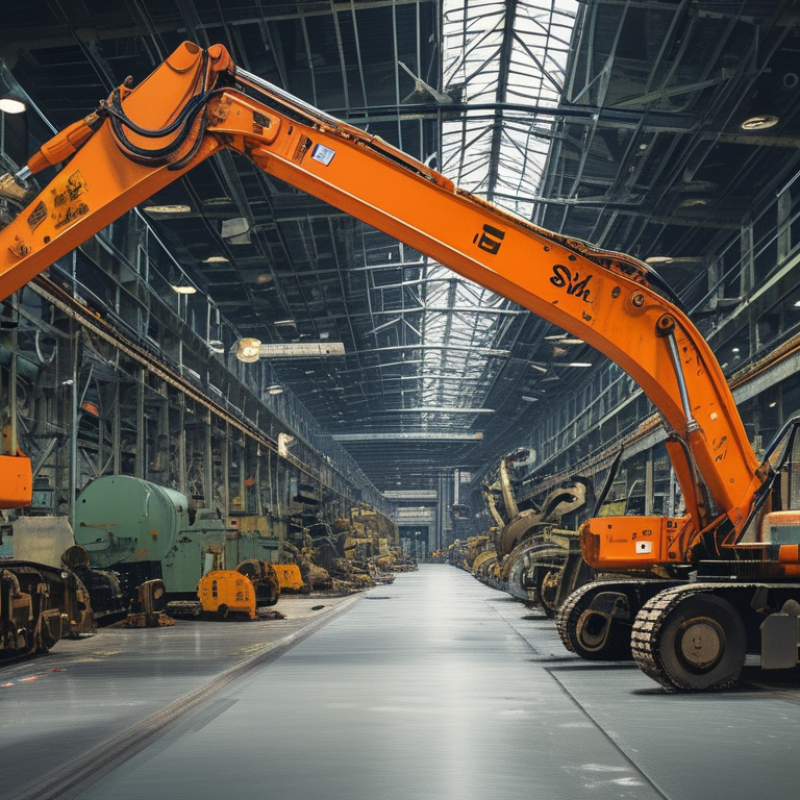
What to Consider When Importing Used Machinery for Your Business?

Considerations for Assessing Used Machinery Quality and Condition

When importing used machinery, evaluating its quality and condition is crucial. Start by inspecting the overall structure. Look for rust, dents, or previous repairs. These might indicate deeper issues, affecting performance later. A visual inspection can uncover signs of wear and tear that affect longevity and reliability.

Tips: Take photos of any damages. This helps in assessing the condition later.

Next, assess the machinery's operational history. Gather documents indicating maintenance records and previous usage. Machines with comprehensive service histories are preferable. Check for any history of accidents or severe malfunctions. This can influence your decision significantly.

Tips: Seek references from previous owners. Their insights about the machinery's performance can be invaluable.

Additionally, consider getting an expert evaluation. A professional can identify hidden problems that are not visible to the untrained eye. This could save you from costly repairs down the line. Remember that perfection is rare, and even high-quality machines can have issues that need addressing. Reflecting on these factors will help you make a more informed choice.

What to Consider When Importing Used Machinery for Your Business? - Considerations for Assessing Used Machinery Quality and Condition

Criteria Description Importance Level
Age of Machinery The years since the machinery was manufactured. High
Maintenance History Records of past service and maintenance actions performed. High
Condition Physical state of the machinery, including any notable wear or damage. Critical
Compliance with Regulations Whether the machinery meets local and international safety standards. High
Availability of Spare Parts Ease of sourcing replacement parts for maintenance and repair. Medium
Previous Use Information on what the machinery was previously used for. Medium
Manufacturer Reputation The standing of the machinery’s manufacturer in the industry. High
Cost Total cost of acquisition including shipping and import taxes. Critical

Evaluating Certification Standards and Compliance for Imported Machinery

When considering the import of used machinery, certification standards and compliance are crucial factors. Various countries enforce different regulations. Ensuring that your imported machinery meets relevant standards can prevent potential delays and financial losses. Most frequently, machinery must conform to safety, environmental, and operational regulations.

Check for compliance certifications. The absence of documentation can indicate a lack of adherence to these standards. Review the seller's reputation in the industry. Speak to past clients or read reviews. This can provide insights into their credibility and reliability.

Tips for ensuring compliance: Always request copies of relevant certifications. Pay attention to specific local regulations. Conduct inspections where possible. Assess the machinery's operating condition to judge if it aligns with safety requirements. Failing to consider these factors might lead to complications with local authorities or equipment failures down the road. Be diligent in your approach, as the implications of non-compliance can be significant.

Compliance Standards Evaluation for Imported Used Machinery

Understanding Import Regulations and Tariffs on Used Equipment

Importing used machinery can be a complex process. Understanding import regulations and tariffs is essential to ensure compliance. Each country has specific rules regarding used equipment. Failing to adhere can lead to penalties or delays.

Tariffs on used machinery can significantly impact costs. It's important to research applicable duties before making a purchase. Different equipment categories may incur varying rates. This variability can affect your budget and overall profit margins. Check for any exemptions or lower rates that may apply.

Documentation is also crucial. Proper paperwork is required for customs clearance. Ensure that you have accurate invoices and certificates of origin. Misleading information can lead to complications. Also, consider engaging a customs broker. They can provide expertise and streamline the process. Reflect on these aspects to avoid costly mistakes in your import journey.

Analyzing Total Cost of Ownership: Import Fees vs. New Machinery

When considering the import of used machinery, the total cost of ownership is crucial. This includes import fees, maintenance, and operational costs. According to industry studies, the importation of used machinery can save businesses up to 30% compared to buying new equipment. However, hidden costs can arise, such as shipping fees and taxes.

The import fees can vary widely depending on the machinery type and country of origin. For example, customs duties may reach 5-8% of the machinery's value. Moreover, businesses must prepare for potential repairs after importation. A survey by the Machinery and Equipment Association found that 20% of imported used machinery requires significant repairs shortly after acquisition. This can offset initial savings, leading to a higher total cost of ownership.

Additionally, the benefit of immediate operational ability should not overshadow the risks. Some businesses report delays due to compliance issues or equipment failures. An analysis shows that 15% of companies experience prolonged downtimes when importing used machinery, which can affect productivity and revenue. Decision-makers need to weigh these factors carefully before proceeding.

Strategies for Finding Reliable Suppliers of Used Machinery Internationally

When importing used machinery, finding a trustworthy supplier is crucial. According to industry reports, around 30% of imported machinery fails to meet quality standards. Hence, thorough research is essential. Start by checking the supplier's background. Look for reviews and past customer experiences. Websites like Import Genius can offer shipping data that reveals supplier reliability.

Tips: Verify certifications and compliance with industry regulations. This helps avoid potential legal issues.

Networking within industry-related trade shows can also connect you with reputable suppliers. According to a survey by Global Trade, 65% of businesses reported finding reliable partners through such events. Leverage online platforms and forums, where fellow importers share insights. Be cautious; not all advertised equipment is as described.

Tips: Always request detailed machinery histories and service records. This transparency can indicate supplier accountability.

Despite best practices, challenges remain. Importing used machinery can lead to unexpected repair costs. Thus, budget for longer-term issues. It's wise to have a local technician inspect any equipment before purchase. This step can save future headaches.

FAQS

: How should I assess the quality of used machinery before importing?

: Inspect the overall structure for rust, dents, or past repairs. Take photos of any damage for future assessment.

Why is operational history important for used machinery?

It provides insights into maintenance records and previous usage. Machines with comprehensive histories are often better choices.

How can I know if the used machinery has hidden problems?

Consider getting an expert evaluation. Professionals can identify issues that may not be visible to you.

What are some common mistakes when importing used machinery?

Failing to understand import regulations can lead to penalties. Missing proper documentation may cause delays.

How do import tariffs affect the cost of used machinery?

Tariffs can significantly impact your expenses. Duty rates differ, and they may reach 5-8% of machinery value.

Are there hidden costs associated with used machinery?

Yes, shipping fees and potential repair costs can arise. Many businesses face significant repairs after importation.

Why should I engage a customs broker when importing?

They can provide expertise and help streamline the customs process. Their knowledge can prevent complications.

What is the total cost of ownership when importing machinery?

It includes import fees, maintenance, and operational costs. Be aware of potential hidden expenses that can add up.

How can I ensure compliance when importing used machinery?

Research specific country regulations and seek accurate paperwork. Reflect on potential issues to avoid costly mistakes.

What should I consider about operational ability when importing?

While it may provide immediate use, risks like compliance delays should be evaluated. Delays can affect productivity negatively.

Conclusion

When considering what to consider when importing used machinery for your business, it's crucial to assess the quality and condition of the equipment. Evaluating certification standards and compliance is essential to ensure that the machinery meets safety regulations and other necessary requirements. Additionally, understanding import regulations and tariffs is vital to avoid unexpected costs and delays during the import process.

It's also important to analyze the total cost of ownership, comparing import fees against the potential investment in new machinery. Finding reliable suppliers internationally can further mitigate risks associated with purchasing used machinery. By carefully considering these factors, businesses can make informed decisions that align with their operational needs and budget.

Mason

Mason

Mason is a seasoned marketing professional with a deep expertise in the company's offerings and a passion for driving brand awareness. With a strong background in digital marketing strategies, he has an innate ability to connect with diverse audiences and effectively communicate product benefits.......