Buying used machinery from China can offer real value, but a low quote does not reveal the machine’s full condition. Buyers often face hidden wear, incomplete service records, inaccurate operating-hour displays, and parts that are difficult to source. Hydraulic leaks may appear only after the machine warms up. A test run can sound reassuring, yet fail to expose faults under load. What are common problems in used machinery? The answer usually starts with condition, documentation, and the gap between a seller’s description and a verified inspection.
Ritchie Bros.’ 2024 Market Trends Report tracks used-equipment pricing and auction activity. It does not measure defects in individual machines, so market data cannot replace an independent inspection. That distinction matters. W. Edwards Deming, a quality-management expert, wrote, “Inspection with the aim of finding the bad ones and throwing them out is too late, ineffective, and costly” in Out of the Crisis. Applied here, inspection should be more than a quick walk-around. Ask for cold-start and load-test videos, serial-number photos, maintenance records, and a written list of repairs. Verify that the controls, gauges, and safety features work. A report helps, but it is not proof of perfect condition. Some sellers may not know every fault, and buyers can miss things too. That is the uncomfortable part. A careful process reduces risk; it cannot remove it.
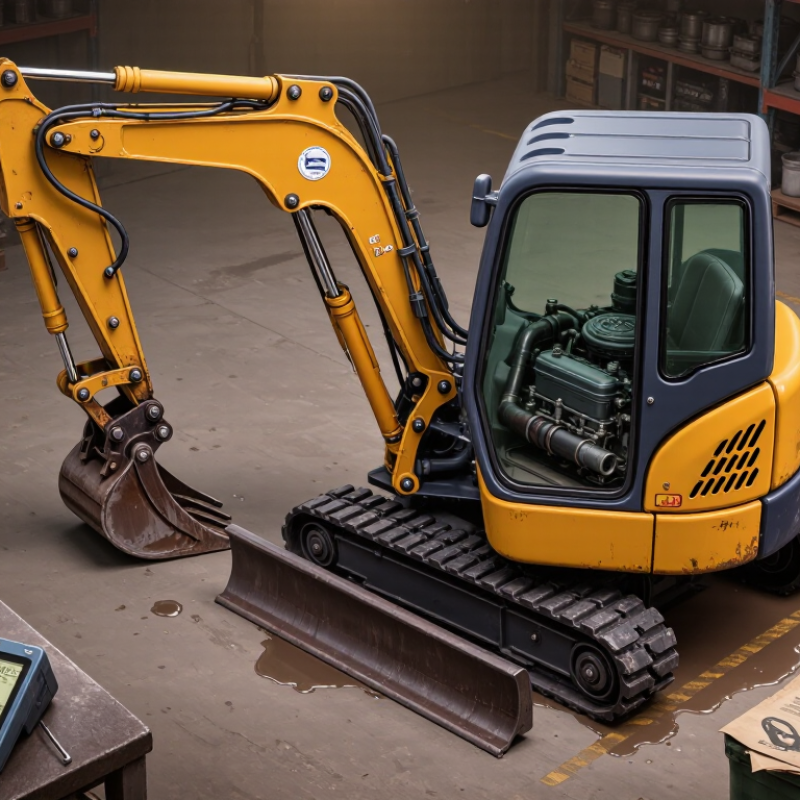
Used machinery exported from China includes construction equipment, machine tools, agricultural machinery, and power-generation units. Excavators, loaders, lathes, presses, tractors, and generators are common examples. Availability varies by seller and region, so a listing’s description should not be treated as a reliable condition grade.
Machines may be operating, refurbished, idle, or sold as-is. “Operating” may mean the machine starts and moves, not that it meets production tolerances. A refurbished unit might have new seals, hoses, or bearings, while its frame and control system remain original. Ask for operating hours, maintenance records, and a live test under load. Details matter.
Condition can range from clean, regularly maintained equipment to machines with heavy wear, corrosion, leaks, or missing parts. A fresh coat of paint can look reassuring; it proves very little. For machine tools, check spindle noise, backlash, and repeatability. For construction equipment, inspect hydraulic cylinders, tracks, and joints for leaks or excessive play. Request clear photos of wear points, the identification plate, and any repairs. I would not rely on photos alone. Independent inspection can reveal faults that a short video misses.
Used machinery can look tidy while hiding years of hard work. Paint tells little. Check the frame, pins, bearings, and contact surfaces for cracks, scoring, or uneven wear. On hydraulic equipment, inspect hose connections and cylinder rods for fresh leaks or pitting. Start the machine cold if possible; difficult starting, smoke, or unusual knocks deserve closer attention.
Treat the hour meter as one clue, not a full history. Compare its reading with service records, dated invoices, and wear on pedals or controls. Paperwork is useful, not proof. Look for regular oil and filter changes, major repairs, and long gaps in maintenance. If records are missing, ask how the machine was stored and used. Answers may be incomplete, and that matters.
Remaining service life depends on condition, workload, and parts availability, so avoid trusting a single estimate. Run the machine through its normal functions under load, then watch temperatures, pressure, vibration, and response time. A brief test can miss problems that appear after hours of operation. One detail is easy to overlook: worn components may still work, but replacement cost and downtime can change the machine’s real value. Keep some uncertainty in the assessment.
Used machinery from China can arrive with problems that are hard to spot in listing photos. Wear may hide beneath fresh paint: check spindle runout, bearing noise, hydraulic leaks, and cracks around welds. Ask for operating-hour records and test footage under load, not only an idle startup. A 2024 global downtime report estimated that unplanned stoppages cost major manufacturers about $1.4 trillion annually, or 11% of their revenue. That figure covers industry broadly, not Chinese used equipment specifically, but it shows why an undocumented fault can become expensive.
Quality and compatibility need separate checks. Request the machine’s original inspection records, maintenance history, electrical diagrams, and a list of replaced components. Confirm voltage, frequency, phase, control-system language, and interface protocols against your plant setup. A machine that powers on may still fail to communicate with existing sensors or production software. Verify dimensions and foundation requirements, too; a few centimeters can disrupt installation. Paperwork can look complete. It may still omit critical details. An independent inspection before shipment is useful, though even that cannot predict every failure. Build in time and budget for worn seals, obsolete controls, and replacement parts with long lead times.
Used machinery can look complete on the loading list and still arrive with a thin paper trail. Check that the commercial invoice, packing list, bill of lading, and serial-number plate describe the same machine. The manufacture year, model, condition, and declared value should also match across records. Small mismatches can trigger valuation questions or delay release. The weak point is often mundane: a missing manual or an unreadable plate.
Import rules depend on the destination and machine type. Before shipment, confirm the tariff classification, origin evidence, electrical specifications, emissions requirements, and any required conformity documents with a customs broker or qualified inspection professional. A certificate for a new model may not establish that a used unit, with altered guards or wiring, meets current local requirements. Ask for dated photographs, operating manuals, maintenance records, and a written list of modifications. OECD’s 2018 Trade Facilitation Agreement analysis estimated that full implementation could reduce trade costs by 14.3% in low-income economies; this is not machinery-specific, but it shows the value of clear procedures. Paperwork is not proof of condition. Treat it as a cross-check, then verify the machine itself before loading.
Shipping delays can turn a low purchase price into an expensive wait. The World Bank’s 2023 Logistics Performance Index reports an average of 44 days for a container to travel from an exporting country to its destination. That is an average, not a delivery promise. UNCTAD’s Review of Maritime Transport 2024 also recorded a 42% drop in weekly Suez Canal transits during early-2024 disruptions. A used machine may arrive later than planned, while a workshop slot and unloading crew are already booked.
Installation problems often start with small omissions: an outdated wiring diagram, an unclear foundation plan, or a motor requiring a different voltage. Ask for the machine’s serial number, operating manual, electrical drawings, and a video of it running under load. Confirm who pays for commissioning and whether remote support includes a technician who speaks your language. That sounds simple. It often isn’t. I would still verify every connection locally; a video cannot reveal every worn bearing.
Spare parts and after-sales support need the same scrutiny. Request a parts list with item codes, dimensions, and lead times before payment. Check whether common wear parts can be sourced locally, and consider shipping seals, filters, and belts with the machine. Siemens’ 2024 True Cost of Downtime report estimated that downtime costs large companies 11% of annual revenue. That figure is not specific to imported machinery, but it shows why waiting weeks for one sensor matters. Get response times and warranty exclusions in writing. I may be overcautious, but vague promises are hard to use when the machine stops.
| Problem Area | Common Issue | Potential Impact | Risk Level | Practical Checks and Mitigation |
|---|---|---|---|---|
| Shipping and handling | Heavy or oversized equipment may require special packing, lifting arrangements, and transport planning. Transit movement, moisture, or inadequate securing can cause damage. | Visible or hidden damage, delayed delivery, extra port or handling charges, and difficulty moving the machine to its final location. | Medium to high | Confirm packed dimensions and weight, loading method, packing standard, insurance scope, delivery terms, and who is responsible for unloading. Request dated pre-shipment photos and an inspection record. |
| Customs and documentation | Invoice descriptions, machine specifications, origin details, packing lists, or shipping documents may be incomplete or inconsistent. | Customs queries, clearance delays, storage charges, or difficulty confirming the machine’s declared value and technical details. | Medium | Have a customs broker review the required documents before dispatch. Check that the model description, serial number, quantity, weight, and consignee details match across documents. |
| Machine condition and inspection | Wear, repairs, missing guards, corrosion, electrical changes, or performance issues may not be obvious from photographs or a brief demonstration. | Unexpected repair costs, reduced output, safety concerns, or a machine that does not meet the intended production requirements. | High | Arrange an independent inspection where practical. Request operating videos, maintenance records, serial-number photos, test results, and a written list of included accessories and known defects. |
| Installation and commissioning | The machine may need a suitable foundation, lifting equipment, electrical supply, compressed air, cooling, exhaust, or other site services. These requirements may be unclear before delivery. | Installation delays, additional contractor costs, unsafe setup, or inability to run the machine at its intended capacity. | High | Obtain installation drawings, utility requirements, lifting points, and commissioning instructions in advance. Confirm whether remote or on-site technical support is included and who pays for travel and labor. |
| Electrical and control compatibility | Voltage, frequency, phase, wiring conventions, control settings, or safety circuits may differ from local requirements or the buyer’s facility. | Electrical modifications, compatibility problems, commissioning delays, or the need for a qualified local technician. | High | Verify the nameplate data, wiring diagrams, motor ratings, control-system documentation, and applicable local electrical and safety requirements before purchase. |
| Spare parts availability | Wear parts or replacement components may have non-standard specifications, long lead times, or limited local availability. | Longer downtime while parts are identified, sourced, shipped, and cleared through customs. | Medium to high | Request a parts list with part numbers, drawings, material specifications, and recommended stock items. Identify locally interchangeable components only after checking dimensions and specifications. |
| After-sales technical support | Support may depend on remote communication across time zones, language differences, and the availability of technicians familiar with the specific machine. | Slower fault diagnosis, repeated troubleshooting, or production interruption when a problem requires specialist assistance. | Medium to high | Agree on support channels, working hours, response expectations, required diagnostic information, and whether paid service is available. Keep contact details and technical records accessible. |
| Warranty and responsibility | Warranty coverage may have limits, exclusions, claim procedures, or unclear responsibility for labor, shipping, and replacement parts. | Disputes over repair costs or delays in getting a fault assessed and resolved. | Medium | Obtain warranty terms in writing before payment. Clarify start date, duration, covered components, exclusions, evidence required for claims, and who bears transport and labor costs. |
| Manuals, training, and machine records | Operating instructions, maintenance schedules, alarms, or safety information may be incomplete, difficult to follow, or unavailable in the required language. | Incorrect operation, avoidable maintenance errors, slower troubleshooting, or unsafe work practices. | Medium | Confirm the delivery format and language of manuals, electrical diagrams, maintenance schedules, and fault-code lists. Request operator training and retain a copy of all machine documentation. |
Note: The level of risk varies with the machine type, age, condition, documentation, shipping route, and local support arrangements. Verify specifications and responsibilities in writing before committing to a purchase.
Common examples include excavators, loaders, lathes, presses, tractors, and generators. Availability varies by seller and region.
“Operating” may only mean the machine starts and moves. A refurbished unit might have new hoses or bearings, while its frame and controls remain original. Details matter.
Request maintenance records, operating hours, clear photos of wear points, and a live test under load. Check leaks, cracks, noise, and excessive play. Photos are not enough.
For machine tools, check spindle noise, backlash, and repeatability. For construction equipment, inspect hydraulic cylinders, tracks, and joints. I might be too cautious, but a short video can miss faults.
Compare its voltage, frequency, phase, control language, and interfaces with your setup. Verify dimensions and foundation needs, too. A few centimeters can complicate installation.
Ask for inspection records, maintenance history, electrical diagrams, manuals, and a list of replaced parts. Also request dated photos and details of any modifications. Paperwork can still have gaps.
Check that the invoice, packing list, bill of lading, and serial-number plate describe the same machine. Confirm applicable requirements with a customs broker or qualified inspection professional before shipment.
It can reveal issues that photos or a brief video miss, but it cannot predict every failure. Allow time and budget for worn seals, outdated controls, and hard-to-source parts. I would leave some room for surprises.
Used machinery exported from China can range from well-maintained equipment with substantial service life remaining to older machines showing heavy wear or inconsistent upkeep. Buyers should inspect operating hours, critical components, repair records, and maintenance schedules rather than relying only on appearance or seller descriptions. A careful assessment can help estimate remaining service life and identify likely refurbishment needs before purchase.
When considering what are common problems in used machinery, buyers should also look for outdated controls, uneven performance, missing parts, and incompatibility with local power, tooling, or production systems. Incomplete documentation, unclear technical specifications, and differences in applicable standards may create import or commissioning delays. Shipping damage, difficult installation, limited spare-parts availability, and gaps in after-sales support can add further costs. Independent inspections, verified records, clear delivery terms, and a plan for installation and maintenance can reduce uncertainty and help buyers decide whether a machine is suitable for their operations.

Prizor Excavator