How to Choose Reliable Used Heavy Equipment for Global Buyers?

Time:2026-07-27 Author:Amelia
0%

Choosing reliable used heavy equipment is critical for global buyers. The right equipment can enhance productivity and minimize costs. However, navigating the used market can be complex and challenging.

When considering how to choose reliable used heavy equipment, several factors come into play. Buyers should assess the equipment’s condition, maintenance history, and brand reputation. Seeking advice from industry experts can add valuable insights. Also, conducting thorough inspections is essential. Don't skip this step; it's where many overlook potential red flags.

Buyers often make mistakes by rushing through the process. This can lead to poor decisions and financial losses. It's important to take time to gather information and reflect on choices. Remember that reliable sources are key in this decision-making journey. Trust your instincts and be prepared for possible setbacks. Each step should be taken with care and diligence.
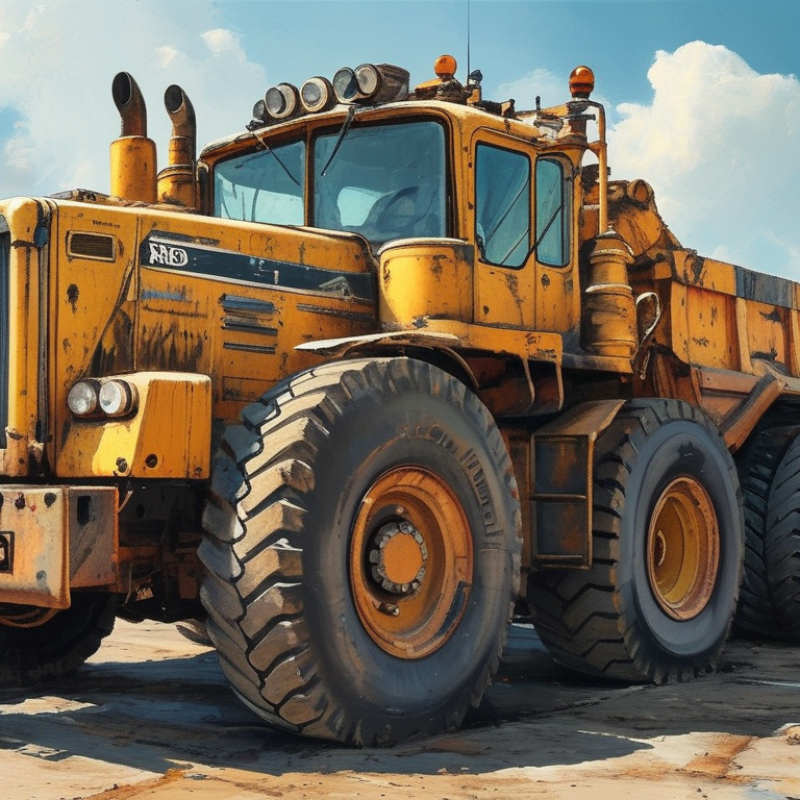
How to Choose Reliable Used Heavy Equipment for Global Buyers?

Factors to Consider When Selecting Used Heavy Equipment

When selecting used heavy equipment, several critical factors should be considered. First, the reputation of the seller plays a vital role in the decision-making process. Industry reports indicate that approximately 30% of buyers experience issues within the first year due to poor seller reputation. Therefore, it is essential to research customer reviews and seller credentials for reliability.

Another key factor is the equipment's condition. A detailed inspection is necessary to assess wear and tear effectively. Look for signs of maintenance history. Reports suggest that a well-documented service record can prevent up to 50% of potential future repairs. This deters buyers from investing in equipment that may incur excessive repair costs shortly after purchase.

Understanding the machinery's usage history is equally important. For instance, equipment that has been used heavily in rough conditions may have more wear and tear compared to similar models used less intensively. This insight can significantly affect resale value. Hence, transparency about equipment history is a must-have when making your choice. Ultimately, balancing these considerations can help mitigate risks in the used equipment market and lead to better purchasing decisions.

Identifying Trusted Suppliers and Dealers for Heavy Equipment

When looking for reliable heavy equipment, focus on sourcing from trusted suppliers. A good dealer's reputation speaks volumes. Check for online reviews and feedback. Trustworthiness stems from experience and customer satisfaction. Visit their physical location if possible. This enables you to assess their inventory and service firsthand.

Investigate the seller's background. Years in the industry often indicate stability and reliability. Ask for references from past buyers. Genuine sellers should be transparent about their operations. Consider attending trade shows to network with potential suppliers. Meeting them face-to-face can foster a sense of security.

Look for certifications or affiliations with reputable industry organizations. These credentials can add credibility. However, don't solely rely on certifications. Not all credible dealers display them. Sometimes, the best insights come from informal conversations. Asking the right questions can illuminate the dealer's reliability. Stay observant and trust your instincts.

Evaluating the Condition and Performance of Used Machinery

When evaluating the condition and performance of used heavy machinery, buyers should prioritize thorough inspections. Start by checking for visible signs of wear. Look for leaks, rust, and cracks in the frame. Pay attention to the tires, tracks, and other components. Each part tells a story about the equipment's history.

Consider the equipment's maintenance records. A machine that has been well maintained is often a reliable choice. Ask for service logs and schedule a test run if possible. Observe how the machinery operates under load. Listen for unusual sounds. Vibrations can indicate deeper issues.

Don’t overlook operator feedback. If possible, talk to past users. Their experiences can reveal insights beyond mechanical assessments. Sometimes, a machine may appear excellent but has hidden problems. It's important to strike a balance between visual inspections and practical insights. This approach can help prevent costly mistakes later on.

Understanding Warranty and After-Sales Support Options

When selecting used heavy equipment, understanding warranty and after-sales support is crucial. A reliable warranty can mean the difference between a great purchase and a costly mistake. It’s essential to know what is covered under the warranty terms. Look for protections against mechanical failures or manufacturing defects. This ensures you're not stuck with expensive repairs shortly after purchasing.

After-sales support is equally important. Adequate support can help resolve issues efficiently. Check if the seller offers technical assistance, parts availability, and maintenance services. A responsive support team can save you time and frustration.

Tips: Always ask for the warranty duration. Take note of what is and isn't covered. Investigate the dealer’s reputation for after-sales service. Reading reviews can help gauge reliability. Remember, a cheap purchase can become expensive without proper support. It's best to prioritize quality over price when buying used equipment.

How to Choose Reliable Used Heavy Equipment for Global Buyers? - Understanding Warranty and After-Sales Support Options

Equipment Type Age (Years) Hours Used Warranty (Months) After-Sales Support
Excavator 5 3500 12 24/7 Support
Bulldozer 3 2500 6 1 Year Service
Loader 4 2800 9 Phone Support
Crane 6 4000 15 On-site Support
Forklift 2 1200 18 Email Support

Conducting a Comprehensive Inspection and Assessment Process

When selecting used heavy equipment, a thorough inspection is vital. Start by examining the machine's exterior. Look for signs of rust, cracks, or damaged components. Inspect the hydraulic systems carefully. Leaks can indicate significant issues down the line. Pay attention to tire wear and body integrity. Small details matter greatly in assessing overall reliability.

Next, assess the engine's performance. Listen for unusual noises that could signal trouble. Check oil levels and fluid cleanliness. Low oil can lead to serious damage. Run the engine at various speeds. This helps identify potential issues that could arise during operation. Ensure that all controls function smoothly and without hesitation.

Consider enlisting a professional for a comprehensive evaluation. Their experience can uncover hidden problems. Documentation of the machine’s history adds another layer of insight. Review maintenance records to understand how well the equipment has been cared for. Reflecting on these details can save buyers from costly mistakes in the future.

Inspection Criteria for Used Heavy Equipment

FAQS

: Why is the seller's reputation important when buying used heavy equipment?

: A seller's reputation can greatly impact your purchase. About 30% of buyers face issues within the first year due to poor reputations.

How can I assess the condition of used machinery?

Inspect for visible signs like leaks, rust, and cracks. A detailed inspection provides insights into the machine's overall condition.

What should I look for in maintenance records?

Well-documented service records can prevent up to 50% of future repairs. Good maintenance history indicates reliability and value.

How does usage history affect a machine's condition?

Heavily used equipment in rough conditions may have more wear. Always ask for transparency about how the equipment was used.

Should I perform a test run on the machinery?

Yes, running the machine helps evaluate performance. Listen for unusual sounds and check how it operates under load.

What are common signs of engine troubles?

Look for unusual noises, low oil levels, and fluid cleanliness. These could indicate serious issues that need attention.

Why is operator feedback valuable?

Feedback from past users reveals insights beyond visual inspections. They might know hidden problems that are not immediately visible.

Is it worth getting a professional evaluation?

Yes, professionals can uncover hidden issues. Their expertise can save you from costly mistakes related to equipment purchases.

Conclusion

When considering how to choose reliable used heavy equipment, several key factors should be taken into account. First, it's crucial to identify trusted suppliers and dealers who have a good reputation in the industry. This ensures that the equipment being purchased meets the necessary standards of quality and durability. Evaluating the condition and performance of the machinery is another vital step; prospective buyers should thoroughly assess the equipment's operational capabilities and history to avoid any future issues.

Additionally, understanding warranty and after-sales support options can provide peace of mind, ensuring that any potential problems can be addressed effectively. Conducting a comprehensive inspection and assessment process will further safeguard against costly repairs or downtime. By following these guidelines, buyers can make informed decisions and secure reliable used heavy equipment that meets their operational needs.

Amelia

Amelia

Amelia is a seasoned marketing professional with a wealth of expertise in our company’s core offerings. With an unwavering passion for driving growth and innovation, she plays a pivotal role in shaping our marketing strategies and enhancing brand visibility. A key aspect of her responsibilities......