When considering heavy equipment for your business, it's crucial to evaluate all options. Many businesses overlook the potential of refurbished machinery. This often leads to higher costs and missed opportunities. You might wonder, what are the benefits of refurbished heavy equipment?
Refurbished heavy equipment offers substantial savings compared to new models. These machines often come with warranties, ensuring peace of mind. Moreover, they undergo rigorous inspections, boosting reliability. The environmental impact is another factor worth noting; reusing equipment reduces waste and conserves resources.
However, purchasing refurbished equipment isn’t without challenges. Some buyers may question the quality or history of the machines. It’s essential to choose a reputable dealer and ask the right questions. Understanding the pros and cons will ensure a well-informed decision. In this way, your investment can drive your business's efficiency and sustainability.
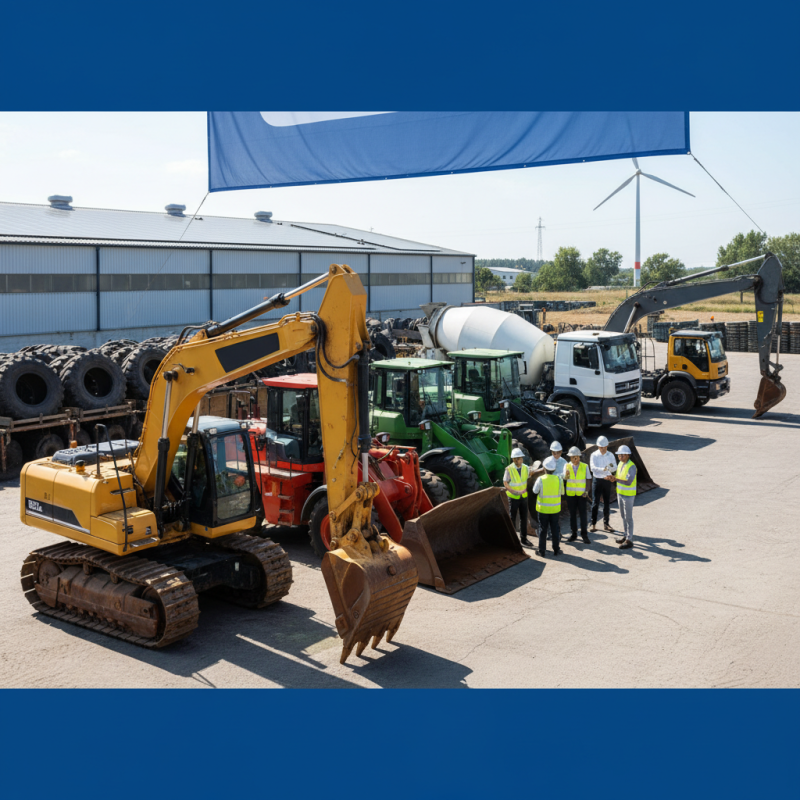
Choosing refurbished heavy equipment can significantly reduce costs for businesses. According to a recent report by the Association of Equipment Manufacturers, purchasing refurbished units can save companies up to 30% compared to new machinery. This financial benefit is crucial as construction and heavy industries often face tight budgets. Refurbished equipment typically undergoes rigorous inspections and upgrades, ensuring it meets industry safety and performance standards.
Moreover, the demand for refurbished heavy machinery has grown, with a 15% increase in market share since 2020. This reflects a broader trend towards sustainability. Businesses can mitigate waste by giving older machines a second life. However, it’s essential to select a reliable supplier. An expert report indicates that 25% of refurbished units may not meet the expected longevity if sourced from unreliable vendors. Quality assurance plays a vital role in maximizing savings while minimizing risks.
Considering the cost-effectiveness and sustainability of refurbished heavy equipment makes sense. An estimated 40% of construction costs are attributed to equipment downtime. Choosing refurbished units can help mitigate this problem by providing affordable alternatives without compromising on reliability or performance. It opens doors for small businesses seeking to compete in a financially demanding landscape. While the initial purchase price is lower, ongoing maintenance should also be factored into the total cost of ownership.
Choosing refurbished heavy equipment offers significant environmental benefits that can positively impact your business. The construction and manufacturing industries are major contributors to carbon emissions. Data shows that refurbishing machinery can reduce waste by up to 70% compared to manufacturing new equipment. This decrease in material usage directly lessens the demand for raw materials, which often involves energy-intensive processes.
Refurbished machinery often has a smaller carbon footprint. Utilizing older models avoids the energy used in the manufacturing of new ones. This practice can also cut greenhouse gas emissions significantly. According to a report from the Environmental Protection Agency, the reuse of equipment conserves resources and minimizes the environmental impact.
**Tip:** Evaluate your equipment needs before purchasing refurbished options. Ensure they meet your specific requirements without compromising performance.
Additionally, refurbishing supports local economies. It encourages jobs in repair and resale, fostering sustainable practices within communities. Industries using refurbished equipment report a 30% reduction in operational costs. This financial benefit further supports the ecological argument for refurbishment.
**Tip:** Work with reputable refurbishers who provide transparent history and warranties. This reduces risk and ensures equipment reliability while benefiting the environment.
Quality assurance in refurbished heavy equipment plays a crucial role in enhancing productivity. In recent years, industries have recognized the value of purchasing such equipment. Research indicates that refurbished machines can operate at nearly 90% of the performance level of new counterparts. This impressive statistic highlights how businesses can save costs while still benefiting from reliable performance.
Maintaining quality standards in refurbished equipment is essential. Many suppliers undergo rigorous testing and refurbishing processes. This often includes replacing worn-out parts and conducting multiple performance evaluations. Studies show that companies that invest in refurbished equipment experience up to 20% increase in operational efficiency. These numbers reflect the potential for substantial productivity improvements. However, the quality of refurbishment can vary significantly. Some providers may cut corners to reduce costs, leading to reliability issues down the line. Tracking the equipment's history is advisable to ensure a strong investment.
In addition, a recent survey revealed that 30% of businesses reported higher maintenance costs associated with refurbished equipment. This can be attributed to the age and previous use of the machinery. Hence, thorough research before making a purchase is vital. Always consider the supplier's reputation and their refurbishment process. Seeking equipment with verified quality assurance can mitigate risks and foster a more productive work environment.
Refurbished heavy equipment can offer significant access to advanced technology that may otherwise be out of reach for many businesses. Many refurbished machines come equipped with the latest features and enhancements. This allows companies to leverage cutting-edge technology without incurring the hefty costs of brand-new equipment. For instance, hydraulic systems and improved engines are common upgrades found in refurbished models. These improvements can lead to better efficiency and productivity on job sites.
However, it is crucial to ensure that the refurbished equipment has been thoroughly tested and maintained. Sometimes, the technology may not be as reliable as expected. Businesses should consider the source of the refurbishment. Engaging with certified professionals increases the likelihood of receiving high-quality machinery. This due diligence is essential for making informed decisions. Additionally, investing in refurbished equipment can expose businesses to risks, such as potential downtime for repairs. Regular maintenance and monitoring can mitigate these challenges, emphasizing the importance of a proactive approach.
By considering refurbished heavy equipment, businesses open the door to technological advancements without the steep investment. The balance between cost and quality becomes critical. A well-informed decision can lead to substantial long-term benefits, but caution is needed to avoid pitfalls. Embracing this path may require a shift in mindset, focusing on both immediate needs and future demands.
This bar chart illustrates the five benefits of opting for refurbished heavy equipment, showcasing aspects like cost savings and access to advanced technology, which play crucial roles in the decision-making processes for businesses.
Financing options for refurbished heavy equipment can be remarkably flexible. Many businesses hesitate due to upfront costs associated with new machinery. However, refurbished equipment often comes with affordable financing plans. Reports show that up to 80% of firms consider financing a crucial factor when purchasing equipment. This is especially true for small to medium-sized enterprises looking to manage cash flow effectively.
Flexible financing options allow businesses to tailor their payments according to their budget. Leasing or installment plans can help spread out the financial burden. A study by the Equipment Leasing and Finance Association indicates that over 70% of companies prefer leasing equipment due to its cost-effectiveness. This option not only provides access to high-quality machinery but also preserves capital for other essential operations.
Moreover, opting for refurbished equipment does carry risks. The quality and reliability of the machinery can vary. Businesses must conduct thorough assessments to avoid potential pitfalls. Engaging with reputable suppliers ensures better oversight on equipment condition. A blend of caution and strategic financing can lead to beneficial outcomes.
: Choosing refurbished equipment can reduce waste by up to 70%. This helps lower carbon emissions in construction.
Refurbishing consumes less energy than producing new equipment. It significantly decreases greenhouse gas emissions, supporting sustainability.
Refurbishing machinery creates jobs in repair and resale. This fosters community development and supports sustainable practices.
Industries using refurbished machinery report a 30% reduction in operational costs. This financial relief strengthens the case for refurbishment.
Financing options, like leasing, are often more flexible. It helps businesses manage startup costs effectively.
Evaluate if the machinery meets your specific needs. Performance should not be compromised for cost.
Yes, quality can vary widely. Conduct thorough assessments before making any purchases to avoid issues.
Many plans are available, including leasing and installment payments. They help manage cash flow effectively.
Work with reputable refurbishers who offer warranties. This reduces risks and ensures better equipment quality.
Yes, some refurbished machinery may show signs of use. Careful evaluation is crucial to determine reliability.
Choosing refurbished heavy equipment offers numerous advantages for businesses. One of the primary benefits is cost savings, as refurbished machinery is often available at a fraction of the price of new equipment. This allows companies to allocate resources more effectively while still obtaining high-quality machinery. Additionally, selecting refurbished equipment has significant environmental benefits, reducing waste and promoting sustainability by extending the lifespan of machinery.
Quality assurance plays a crucial role in refurbished heavy equipment, as rigorous testing processes ensure reliability and performance, ultimately enhancing productivity. Moreover, businesses gain access to advanced technologies that might otherwise be unattainable due to budget constraints. Lastly, flexibility in financing options makes it easier for companies to invest in refurbished machinery without straining their cash flow. In summary, what are the benefits of refurbished heavy equipment? They encompass cost savings, environmental care, quality assurance, access to new technologies, and flexible financing, making it a smart choice for many businesses.
Prizor Excavator