When buyers ask, “what are the benefits of refurbished heavy equipment,” the answer begins with practical value. Refurbished excavators, loaders, and dozers can cost far less than new models. That difference may protect cash flow, especially for smaller contractors. It can also shorten the wait for essential equipment.
Industry equipment specialist Frank Raczon offers a useful working view: “A lower price means little if uptime disappears.” That point deserves attention. A reliable refurbishment includes documented inspections, replaced wear parts, tested hydraulics, and verified engine performance. Look closely. A clean yellow hood proves very little. Buyers should examine service records, hour meters, undercarriages, tires, fluid samples, and attachment pins. Telematics data can reveal harsh operation or long idle periods. A reputable dealer may also provide limited warranty coverage, parts support, and financing options. These details improve confidence after delivery.
Refurbished machinery may reduce manufacturing demand and keep usable components in service longer. That supports a more circular equipment economy. However, the environmental benefit depends on repair quality and remaining service life. Not every older machine is a smart purchase. Some repairs are hidden beneath fresh paint. That is the uncomfortable part.
This guide will examine purchase savings, faster availability, dependable performance, sustainability, and resale considerations. It will also address inspection risks and ownership costs. A cheaper machine can become expensive quickly. Careful evaluation remains the real benefit.
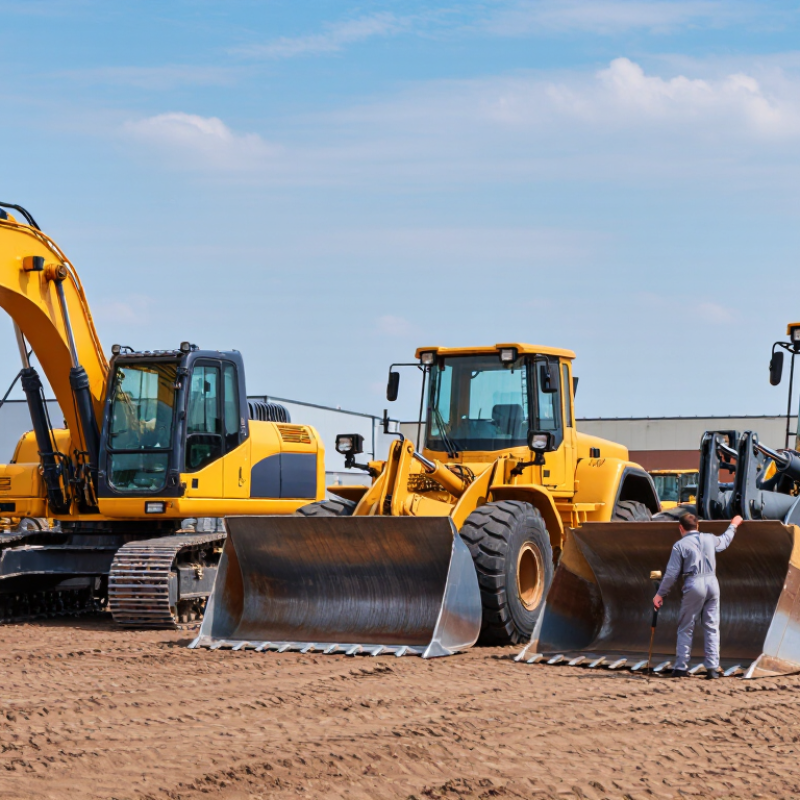
What Are the Benefits of Refurbished Heavy Equipment?
What Refurbished Heavy Equipment Means
Refurbished heavy equipment is more than second-hand machinery with fresh paint. It has undergone inspection, repair, testing, and documented quality checks. A serious refurbishment may include hydraulic pressure testing, engine oil analysis, undercarriage measurement, and load testing. Service records should identify replaced parts, measured tolerances, operating hours, and remaining wear. Hours alone can mislead.
This process gives buyers a clearer picture of working condition and future maintenance needs. It can also reduce the resources required to keep another machine in service. The Circularity Gap Report 2024 estimated that only 7.2% of the global economy was circular. Heavy equipment refurbishment supports a more practical use of existing materials. The UNEP Global Resources Outlook 2024 reported that global resource extraction has tripled since 1970 and may rise another 60% by 2060.
The benefits are not automatic. A poorly rebuilt transmission can erase any saving within months. A machine with clean panels may still have tired pumps or hidden frame cracks. Buyers should request inspection results and ask who performed the work. Independent load testing adds confidence. Warranty terms matter, too. Refurbished equipment is not new equipment, and pretending otherwise weakens trust. Sometimes, the wiser choice is rejecting a cheap machine after one uncomfortable inspection.
| Dimension | What Refurbished Heavy Equipment Means | Primary Benefit | Practical Value for Buyers | Important Verification Point |
|---|---|---|---|---|
| Purchase Cost | Previously operated equipment that has been inspected, repaired, and restored to a defined working condition. | Usually requires less upfront capital than comparable new equipment. | More budget can remain available for attachments, transportation, training, or maintenance. | Compare the total cost of ownership, including repairs, delivery, financing, and expected downtime. |
| Equipment Reliability | Worn or failed components are identified and replaced, repaired, or adjusted during the refurbishment process. | Can provide more predictable operation than equipment sold without inspection or repair. | Reduces the risk of purchasing an untreated machine with hidden mechanical problems. | Request inspection records, repair documentation, operating-hour records, and test results. |
| Service Life | Major systems such as the engine, hydraulic system, transmission, undercarriage, brakes, and electrical components may be restored according to condition. | Extends the useful working life of an existing machine. | Supports continued productivity without immediately purchasing new equipment. | Confirm which components were refurbished and which remain in their original condition. |
| Availability | Refurbished machines are existing units that can often be prepared faster than a new machine built to order. | May shorten the time between purchase and deployment. | Useful for projects with fixed start dates or urgent replacement needs. | Verify current machine location, preparation status, delivery schedule, and parts availability. |
| Productivity | A properly restored machine is returned to operating specifications suitable for its intended application. | Provides the capacity needed for tasks such as excavation, lifting, grading, hauling, or material handling. | Allows buyers to match machine capability to project requirements without paying for unnecessary new-equipment features. | Review rated capacity, attachment compatibility, fuel use, operating environment, and performance under load. |
| Maintenance Planning | The refurbishment process can establish a clearer baseline for the condition of key components. | Makes future preventive maintenance easier to schedule. | Helps estimate service intervals, replacement priorities, and spare-parts requirements. | Obtain the maintenance schedule, fluid-analysis results where available, and a list of recently replaced parts. |
| Safety | Safety-critical systems can be inspected and corrected before the equipment returns to service. | Improves the likelihood that the machine meets applicable operating and workplace requirements. | Helps protect operators, nearby workers, loads, and surrounding property. | Check brakes, steering, alarms, guarding, lights, seat belts, emergency controls, and inspection certificates. |
| Sustainability | An existing machine is repaired and reused instead of being replaced immediately. | Reduces demand for new raw materials and avoids sending serviceable components to waste. | Can support equipment-reuse and resource-efficiency goals. | Assess fuel efficiency, emissions compliance, hydraulic leaks, recyclable parts, and the refurbishment scope. |
| Configuration Flexibility | Existing equipment may be restored and configured with compatible attachments or job-specific components. | Allows a machine to be adapted to particular site conditions and applications. | May improve utilization when one machine must perform several related tasks. | Verify attachment dimensions, hydraulic flow, lifting limits, control compatibility, and structural condition. |
| Resale Potential | A documented refurbishment creates a traceable record of repairs, inspections, and component condition. | Clear records can make the machine easier to evaluate when it is later sold or traded. | Improves buyer confidence and supports more transparent valuation. | Keep invoices, inspection reports, operating-hour records, photographs, and maintenance logs. |
Technicians dismantle the machine and inspect bearings, seals, coolers, frames, and controls. They repair or replace critical parts within documented tolerances. Details matter.
Testing may include oil analysis, pressure checks, injector testing, compression checks, and cooling-system cleaning. Hydraulic systems need flow and relief-pressure verification. Electrical controls require fault-code reviews and load testing.
Technicians operate the machine under load. They record temperatures, cycle times, vibration, and fuel use. A loose ground can imitate a controller failure.
Predictive maintenance may reduce maintenance costs by roughly 25% to 30%. It may also reduce downtime by about 35% to 45%. Results depend on continued monitoring and maintenance quality.
Refurbished equipment may cost 30% to 50% less than comparable new machinery. The actual discount depends on age, operating hours, attachments, and service history. The invoice is not everything.
Refurbished machinery often avoids the steepest first-year depreciation. Lower depreciation can support resale planning and reduce financing needs. That may preserve cash for fuel, transport, and labor.
Check hydraulic pressure, undercarriage wear, oil analysis, service invoices, and replacement-part records. Compare the refurbishment scope with warranty coverage, delivery time, and expected downtime. Fresh paint proves very little.
Replacement may make more sense when the frame is bent, controls are obsolete, or service history is missing. Unexpected repairs can erase the original savings quickly. Sometimes, replacement is more honest.
Refurbished heavy equipment refers to used machinery that has been carefully inspected, repaired, rebuilt, and tested to restore its working condition. The refurbishment process may include replacing worn components, servicing engines and hydraulic systems, updating safety features, and repainting or reconditioning key parts. As a result, buyers can obtain dependable equipment with performance closer to new machinery while avoiding the full cost of a new purchase. This makes refurbished equipment a practical option for businesses managing strict budgets or expanding their operations.
When considering what are the benefits of refurbished heavy equipment, cost savings are only one advantage. Properly refurbished machines can offer improved reliability, enhanced operator safety, and a longer useful life. They may also reduce downtime when maintenance and quality checks are completed thoroughly before delivery. In addition, choosing refurbished equipment supports more sustainable operations by extending the life of existing machinery, reducing waste, and lowering the demand for new raw materials and manufacturing resources.

 Prizor Excavator