 Prizor Excavator
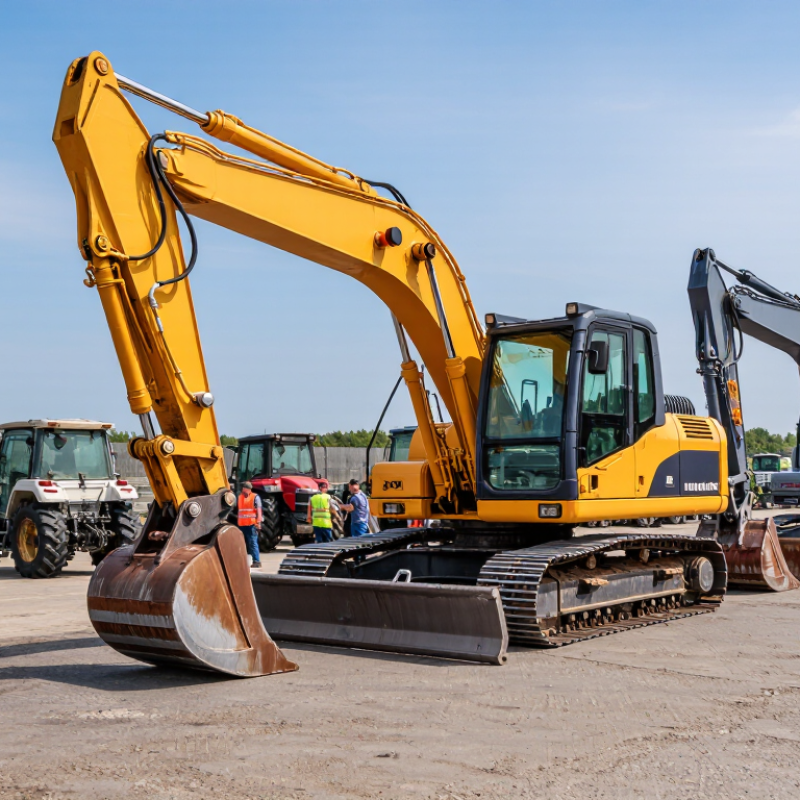
7 Best Factors Affecting Used Equipment Pricing?
Age matters, but it is not the whole story. A three-year-old excavator with 6,000 hours may be worth less than a five-year-old unit with 2,500 hours. Maintenance records, service intervals, and engine-hour accuracy create measurable confidence. Industry valuation standards published by the Royal Institution of Chartered Surveyors distinguish market value from forced-sale value, reminding buyers that sale conditions can change the result sharply. A clean machine is not always a healthy machine.
Usage pattern deserves closer inspection. Steady highway transport creates different wear from quarry work, demolition, or dusty agricultural fields. Check hydraulic response, tire depth, undercarriage wear, oil leaks, cold-start behavior, and warning codes.
A 2024 used-equipment market report based on auction and dealer records showed that equipment with documented inspections and lower operating hours generally achieved stronger resale performance, although regional demand still caused noticeable price differences. The gap can be substantial.
Overall condition should be scored, not guessed. The U.S. Bureau of Labor Statistics’ Producer Price Index tracks monthly equipment price movement, but it cannot replace a physical inspection. That is where buyers sometimes become overconfident. I have seen polished panels hide cracked welds and neglected filters. A small repair may cost more than expected. Ask for photos, serial-number history, recent invoices, and an independent inspection before setting a final price.
